UGC Usage Rights India: Duration, Paid vs Organic and 14 Creator Contract Clauses (2026–2027)
A practical UGC usage rights India checklist for D2C brands: how long to license creator videos, what paid usage really means, how whitelisting changes the deal and the 14 clauses to sign before anyone presses record.

UGC usage rights India brands sign today decide whether a creator video earns for a year or gets pulled after a fortnight. The fee you pay a creator buys the filming; the usage terms decide where the video can run, for how long and with how much ad spend behind it. When we plan UGC content production for a brand, the usage line is written into the brief before casting starts, not negotiated after the edit. That one habit removes most of the disputes we see.
This checklist is the version we wish every founder had before their first creator deal. You will learn the difference between organic and paid usage, sensible durations, how whitelisting and partnership ads change the contract, the 14 clauses to lock, what usage does to cost, and a simple tracker so nothing expires quietly. It is written from 9+ years of creator work at Adverra Studio, and it is a working checklist, not legal advice; get a lawyer to review your final template.
Key takeaways
- A creator owns the copyright in a video they film as a freelancer unless the contract assigns or licenses it to you in writing.
- Organic usage (your own handles, website, listings) and paid usage (ads with spend) are separate rights and should be priced separately.
- Every licence needs a start trigger, an end date, named channels, a territory and a written renewal path.
- Whitelisting and partnership ads need their own clause because they use the creator’s handle, not just the video.
- One usage tracker per campaign stops expired ads from running by accident.
What are UGC usage rights India brands need, and who owns the video?
UGC usage rights are the written permissions a creator gives a brand to publish, edit and advertise a video the creator made. Unless the contract says otherwise, a freelance creator generally remains the owner of what they film, so the brand only gets the uses that are written down.
UGC (user-generated content) in the ad world means short, creator-made videos that look like real customer reviews, unboxings or demos. The brand pays for them, so many founders assume they own them. Under India’s Copyright Act, 1957, the author of a work is usually its first owner, and an assignment of copyright has to be in writing. The Copyright Office of India publishes the Act if you want to read the source. The practical point is simple: if it is not in the contract, assume you do not have it.
There are two broad ways to structure the deal. A licence lets you use the video for named purposes, for a fixed time, while the creator keeps ownership. An assignment transfers the copyright itself, usually for a much higher fee. Most D2C brands do not need an assignment; they need a clearly scoped licence with a renewal option. Indian law also has a default worth knowing: where an assignment does not state its duration or territory, the Act fills the gap (commonly read as five years and India only), which is rarely what either side intended.
Licence vs full buyout: which one does a brand actually need?
A licence is the right answer for most creator deals we see, because ad creatives rarely live longer than a few months at full spend. A buyout makes sense only when the video becomes a long-term brand asset, for example a hero product demo used on the website, marketplace listings and packaging QR pages for years. Even then, buy the rights you will use, not every right that exists. Paying for perpetual, worldwide, all-media usage on a test creative is money that should have gone into more hooks.
What does the creator usually keep?
Under a licence, the creator normally keeps the right to show the video in their portfolio, and keeps control over their face, voice and name outside the licensed uses. Many creators also limit edits that change their meaning, such as dubbing new claims over their voice. Write these exceptions down too; a clear “creator may” list prevents as many disputes as a clear “brand may” list.
What is the difference between organic and paid UGC usage rights?
Organic usage covers posting the video on your own handles, website and marketplace listings without ad spend. Paid usage covers running it as an ad with budget behind it on Meta, YouTube, marketplaces or anywhere else. Paid usage reaches far more people, so creators price it separately and brands should contract it separately.
The confusion starts with the word “digital”. A contract that says “digital usage” could mean an Instagram post on your grid or a high-spend Meta campaign reaching a very large audience across India. Those are very different exposures for the creator, and a creator who later sees their face in a high-frequency ad they did not expect is the most common source of takedown requests. Split the rights into named lines and the problem disappears.
- Organic social: brand Instagram grid and Reels, YouTube Shorts on the brand channel, LinkedIn company page posts.
- Owned web and marketplaces: website product pages, email, Amazon, Flipkart, Myntra or Nykaa listing videos and A+ content.
- Paid social: Meta Ads (Facebook and Instagram placements), YouTube ads, any boosted post.
- Paid marketplace and retail media: sponsored brand videos and on-platform ad units.
- Offline: in-store screens, events, outdoor and TV, which should always be a separate negotiation.
If the plan is to put money behind the videos from day one, the brief should say so before the creator quotes. That is how we brief performance UGC creatives: paid usage, placements and expected flight length are in the first paragraph, so the creator’s quote already includes them and nothing has to be renegotiated when a winning ad needs more budget.
Paid usage rights UGC checklist: what to define
For paid usage, define at least four things: the ad platforms, the maximum flight length, whether the brand may cut new versions (new hooks, new captions, new aspect ratios) and whether paid usage starts from the first ad impression or from delivery. That last point matters more than it looks. A video delivered in March but first launched in June can lose three months of a six-month licence if the start trigger is “delivery date”. We prefer “from first paid impression, and no later than 60 days after delivery”, which protects both sides.
How long should UGC licensing duration be?
Under most UGC usage rights India contracts we see, paid UGC runs on a 3-month or 6-month licence with a pre-agreed renewal option, and that is the sensible default. Organic usage on your own handles and listings can be longer, often 12 months or perpetual for posts already published. Match the duration to how long the ad will realistically run at full spend.
Creative fatigue sets the real clock. On Meta, most UGC ads either prove themselves within the first few weeks or get replaced; winners may run for a few months with fresh hooks layered on top. Paying for 24 months of paid usage on every test video is wasteful. Paying for 30 days on a video that becomes your best ad is painful, because the renewal now happens with zero leverage. The fix is a short base term plus a renewal option at a price agreed today.
| Use case | Typical base term | Renewal approach | Our default advice |
|---|---|---|---|
| Creative testing on Meta Ads | 3 months paid | Option to extend winners | 3 months + 3-month option, price fixed upfront |
| Always-on ads for a hero SKU | 6–12 months paid | Annual renewal | 6 months + renewal written per quarter |
| Brand Instagram, Shorts, LinkedIn posts | 12 months organic | Posts stay up after expiry | Perpetual for already-published posts |
| Marketplace listing videos | 12 months organic | Renew with the listing refresh | 12 months, renew when the SKU is re-shot |
| Website hero and product pages | 12–24 months | Renew or replace | Buy longer only for true evergreen assets |
Typical structures we see in Indian creator deals; your creator and lawyer decide the final terms.
One more rule: decide what happens on expiry. Must paid ads be switched off by the end date, or within seven days? Can organic posts already published stay live? Can the video remain inside your ad account’s library as long as it is not served? Write all three answers down. “Remove all usage” on expiry sounds tidy but is almost impossible to honour across listings, emails and archived posts.
How do whitelisting rights and partnership ads change the contract?
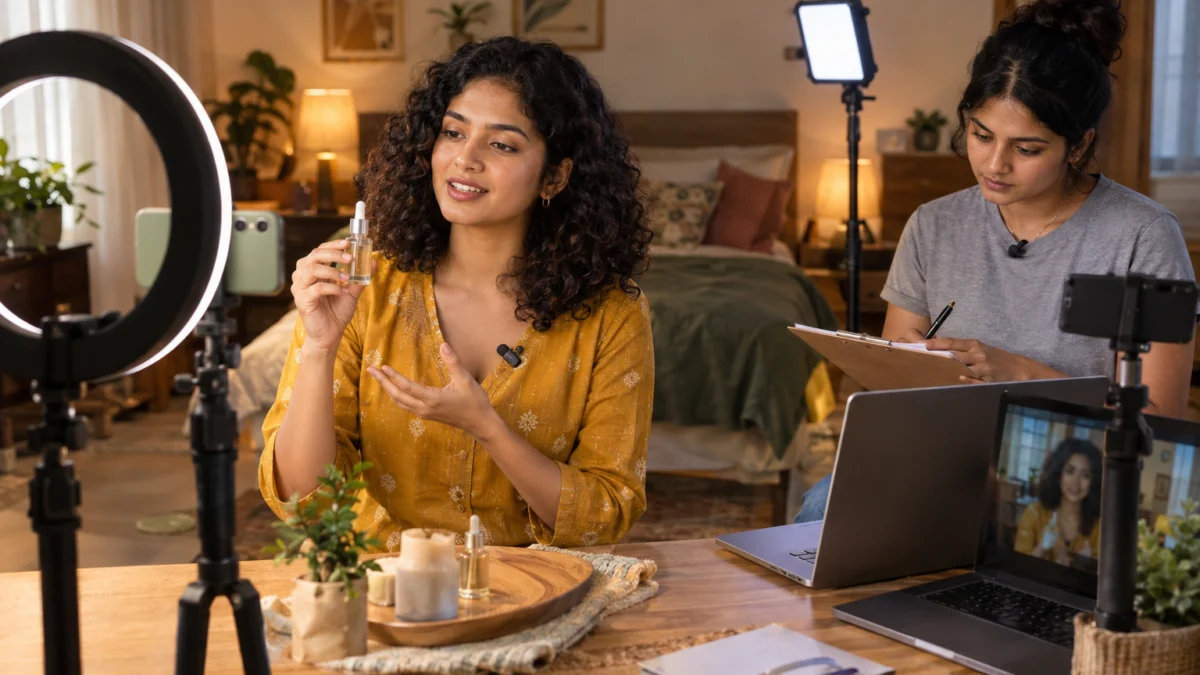
Whitelisting means the brand runs ads through the creator’s own handle, so the ad appears to come from the creator rather than the brand. Because it uses the creator’s identity and audience, not just their video, it needs a separate clause with its own fee, duration and approval rules.
On Meta, this is now handled mostly through partnership ads: the creator grants the brand permission inside Instagram, and the ad shows both names with a “Paid partnership” label. The Meta Business Help Centre explains the current set-up steps, which change often, so check it before each campaign rather than relying on an old screenshot. On TikTok-style platforms the same idea is called Spark Ads; YouTube has its own creator-partnership tools.
Your whitelisting rights clause should cover five points: which handle and platform; the access window (start and end dates); whether the brand can write new ad copy under the creator’s name or must get approval; who controls comments and replies; and how the permission is revoked at the end. Creators reasonably ask for copy approval, because the ad speaks in their voice. Build a 24-hour approval window into the contract so it does not slow your launches.
Is UGC usage different from influencer usage?
Yes. A UGC creator is paid mainly for the video as an asset; an influencer is paid mainly for posting to their own audience. Influencer deals therefore centre on the post itself, its disclosure and how long it stays up, and any brand ad usage is an add-on. If your plan mixes both, keep two separate schedules in the contract. When reach on the creator’s own handle is the goal, a structured influencer campaign with its own usage schedule is cleaner than stretching a UGC agreement to cover it. The UGC vs influencer marketing breakdown explains where each model fits.
Where does ASCI disclosure fit in?
Whenever a creator posts brand content on their own handle, or the brand runs ads through that handle, the Advertising Standards Council of India (ASCI) expects the material connection to be disclosed clearly, for example with a visible “Ad” or “Collab” label. Put a disclosure clause in the contract that says who adds the label and where. Also add a claims line: the creator only says what the brand can substantiate, and any health, skincare or performance claim is approved in writing. This is basic compliance hygiene, not legal advice.
Which 14 clauses belong in a UGC creator contract India brands can rely on?
A reliable UGC creator contract names the deliverables, the exact uses, the time window and what happens when it ends. The 14 clauses below cover those four areas and fit on two pages. Use them as a UGC contract checklist before every shoot, not as a substitute for a lawyer’s template.
- Parties and project. Legal names, the product and SKU, and the campaign name, so the licence is tied to something specific.
- Deliverables. Number of videos, length, aspect ratios (9:16, 1:1, 4:5), hook variants, raw footage yes or no, and file format.
- Ownership model. Licence or assignment, said in one plain sentence.
- Organic channels. A named list: brand Instagram and Reels, YouTube Shorts, LinkedIn, website, email, listings.
- Paid channels. A separate named list: Meta Ads, YouTube ads, marketplace ads, with any spend or placement limits.
- Territory. India only, or named countries. Do not leave it blank.
- Duration and start trigger. Base term, the date or event that starts the clock, and the end date.
- Renewal option. Renewal periods and the fee agreed today, exercisable by written notice.
- Edit rights. What the brand may change: cuts, captions, music, hooks, aspect ratios; and what it may not: new claims in the creator’s voice, AI voice clones or face swaps.
- Whitelisting and partnership ads. Handle, window, copy approval, comment control and revocation.
- Exclusivity. Whether the creator can work with competing brands, for which category and how long. Exclusivity always costs extra.
- Disclosure and claims. ASCI labels, approved claims only, and who is responsible for each.
- Payment and revisions. Fee split (shoot fee vs usage fee), payment dates, and the number of revision rounds included.
- Expiry, takedown and portfolio. What must stop on expiry, the takedown window, and the creator’s portfolio rights.

Do you need raw footage rights?
Raw footage is the unedited material from the shoot, and it is where most of the future value hides: new hooks, new cut-downs and new ratios all come from it. If you plan to test hooks over several months, ask for raw files and the right to re-edit within the licensed uses. If you do not, say so, and save the fee. At Adverra Studio we keep raw footage organised by take so a winning ad can be re-cut quickly, which is a big reason new script hooks can be tested without a reshoot.
How should the contract handle AI edits?
In 2026 this clause is no longer optional. Say clearly whether the brand may use AI tools for colour, captions or background clean-up (usually fine) and whether it may generate new lines in the creator’s cloned voice or alter their face (usually not, without separate written consent and a separate fee). Creators are increasingly asking for this line themselves, and a brand that brings it up first builds trust quickly.
How do you choose the right usage scope for each channel?
Start from where the video will actually run in the next 90 days, then add only the channels you have a real plan for. Each extra channel, longer term or wider territory raises the creator’s fee, so a tight scope with renewal options is usually cheaper than a broad one you never use.
| Channel | Organic or paid | What to name in the clause | Watch-out |
|---|---|---|---|
| Brand Instagram grid and Reels | Organic | Handle, post types, collab post yes or no | Collab posts also appear on the creator’s grid |
| Meta Ads (Facebook + Instagram) | Paid | Placements, flight length, edit rights | Start trigger: first impression, not delivery |
| Partnership ads | Paid | Creator handle, access window, copy approval | Separate fee from paid usage |
| YouTube Shorts and ads | Both | Channel, ad formats, length | Longer edits may need extra footage |
| Amazon, Flipkart, Myntra, Nykaa listings | Organic | Marketplaces, SKUs, listing video slots | Listings outlive ads; give them a longer term |
| Website and email | Organic | Pages, email flows, landing pages | Hard to remove later, plan for it |
| Offline screens, events, TV | Paid | Always a separate negotiation | Never bundle into “all media” by default |
Organic vs paid UGC rights by channel: the core of any UGC usage rights India scope. Name each one, never write “all digital”.
Industry matters too. Beauty and skincare brands usually need longer listing usage, because one good texture demo can serve an entire product line for a year. Fashion brands rotate collections every season, so 3–6 month terms often fit better. Food and wellness brands should be strict on claims language whatever the term, since an unsupported benefit claim is a bigger risk than an expired licence.
How do UGC usage rights India deals affect the total cost?
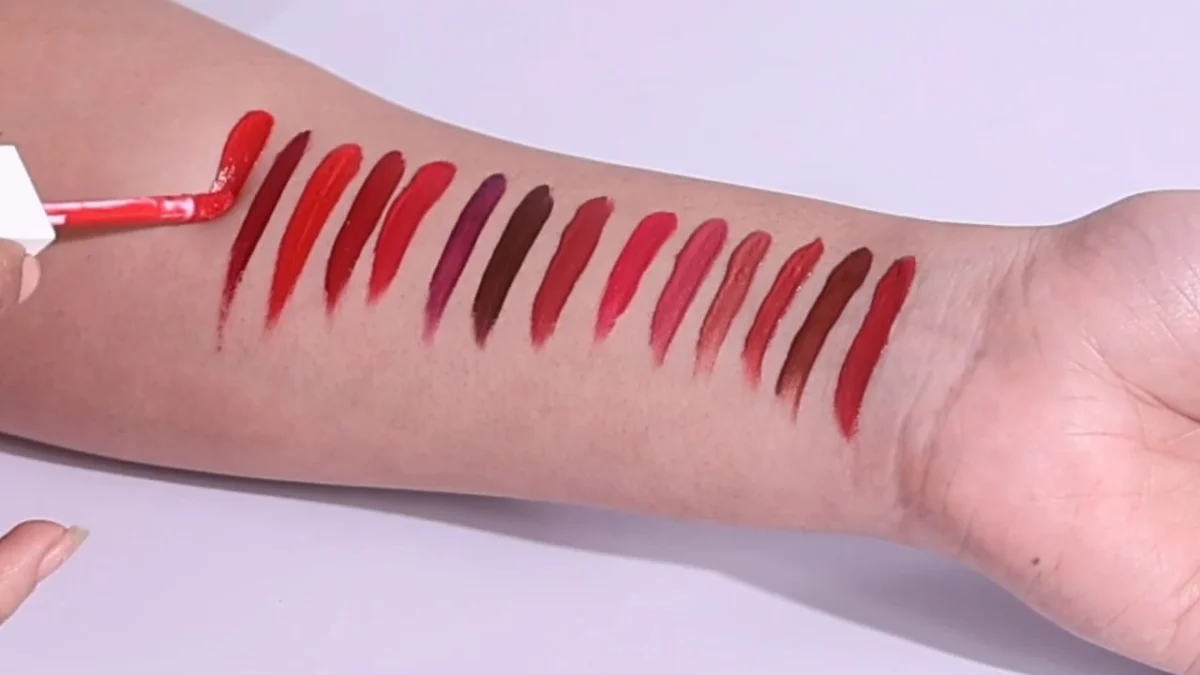
Usage is often the biggest variable in a creator quote, because it reflects how much exposure the creator’s face gets. Organic-only usage is the cheapest, paid usage adds a premium, and whitelisting, exclusivity and buyouts add more. Agreeing usage before quotes makes fees comparable across creators.
We will not quote market percentages here because they vary widely by creator, category and city. What we can say from practice: when two creators quote on different usage assumptions, the cheaper quote is often the more expensive deal once you add the renewal. Fix the scope first, then compare. For a broader view of fees, see our UGC video cost guide for India.
| Plan | What you get | Delivery | Price |
|---|---|---|---|
| Tester | 1 UGC video · 1 creator · 3 hooks · 9:16, 1:1, 4:5 | 7-day delivery | ₹12,000 |
| Growth | 3 UGC videos · 3 creators · 5 hooks each · all ratios + thumbnails | Priority 5-day delivery | ₹33,000 |
| Monthly | 10 UGC creatives a month · dedicated account manager · monthly review | Rush delivery available | ₹1,00,000 / month |
Plans as listed on adverrastudio.com. Call or WhatsApp +91 90153 33841 for a custom quote.
Usage scope is agreed in writing with each brief, so tell us your channels and expected flight length when you enquire. If you are unsure what you need, share your current ad plan on WhatsApp +91 90153 33841 and we will suggest a scope that matches it before any creator quotes.
How to lock usage rights from brief to delivery in 6 steps
Lock usage at the start, not the end. Write the scope into the brief, get every creator to quote on the same scope, sign before the shoot, confirm on set, log it at delivery and track expiry. Six short steps remove almost every rights dispute.
- Write the usage line into the brief. One sentence: channels, paid or organic, territory, term, whitelisting yes or no.
- Quote on the same basis. Every shortlisted creator prices the same usage block, so you compare like with like.
- Sign before the shoot. The contract with all 14 clauses is signed before the product ships to the creator.
- Confirm on set. Any extra format or hook added during filming is noted and covered by the same licence.
- Log at delivery. Each final file is logged with its licence, start trigger and expiry date.
- Track and renew. A reminder 30 days before expiry triggers renew, replace or retire.
This is the same order we follow at Adverra Studio across 500+ verified UGC creators, and it is why renewals are a two-line email rather than a negotiation. The brief template that carries the usage line is the most useful document in the whole process; start there.
How do you track expiry and renew usage before it lapses?
The simplest way to manage UGC usage rights India deals is one tracker per campaign with a row for every final file and its licence terms. Set a reminder 30 days before each paid licence expires, then decide to renew, replace or retire. Without a tracker, expired ads keep running simply because nobody remembers the date.
The tracker does not need software. A shared sheet with these columns works for most D2C brands:
| Column | Example entry | Why it matters |
|---|---|---|
| File ID and version | SERUM-HOOK2-9×16-v3 | Ties each ad to one licence |
| Creator and contract ref | Contract no. and date | Find the terms in seconds |
| Organic channels | Instagram, website, Nykaa listing | What can stay live after paid ends |
| Paid channels | Meta Ads, YouTube ads | What must stop on expiry |
| Whitelisting window | Start and end dates | Revoke access on time |
| Start trigger and expiry | First impression date + term | Drives the reminder |
| Renewal fee and status | Agreed fee, renewed / retired | No surprise negotiations |
Name ads in your ad account with the same file ID, so the person managing Meta Ads can see the licence without opening the contract. When a creator asks for a takedown, the tracker tells you in a minute whether they are right. That speed protects the relationship as much as the paperwork does.
What mistakes cause UGC usage rights disputes?
Most UGC usage rights India disputes come from vague wording, not bad intent. “Digital rights”, missing end dates and unagreed whitelisting cause the majority of takedown requests we hear about. Each one is fixed by a single specific line in the contract.
- Writing “all digital” or “all media”. Name channels instead; broad words invite different interpretations.
- No start trigger. A licence that starts on delivery can be half used before the ad launches.
- Paid usage assumed, not agreed. Boosting an organic post is paid usage. Get it in writing first.
- Whitelisting bundled in silently. Running ads from a creator’s handle needs its own clause and fee.
- No renewal price. Renewing a winning ad with no pre-agreed fee hands all the leverage to the other side.
- Edits beyond the brief. Adding claims, voiceovers or AI changes the creator did not approve.
- Missing disclosure clause. ASCI labels left to chance on creator posts and partnership ads.
Prince’s rule of thumb: if you cannot explain your usage terms to the creator in one WhatsApp message, the contract is too vague. Rewrite it until you can.
What changes for UGC usage rights in 2026–2027?
Three shifts are reshaping UGC usage rights India contracts: partnership ads becoming the default paid format, AI editing tools that can alter a creator’s face and voice, and stricter scrutiny of disclosures and claims. Contracts written before 2025 usually miss at least two of these.
Partnership ads by default. More brands now run creator content through the creator’s handle because it often looks more native in feed. That makes whitelisting clauses standard rather than optional. AI consent. Voice cloning and face editing are cheap and fast, so creators increasingly ask for explicit “no synthetic likeness” lines, and brands that offer them first win better creators. Compliance pressure. Expect ASCI to keep a close eye on influencer disclosures and claims in health, beauty and finance categories, so disclosure and claims clauses carry more weight each year.
One more practical trend: brands are moving from one big buyout to short paid terms plus renewals, because creative fatigue means most ads retire within months anyway. It is cheaper, fairer to creators, and keeps the budget flowing to new hooks instead of old licences.
UGC usage rights India: frequently asked questions
Short answers to the questions D2C founders and performance marketers ask us most often before signing a creator deal.
Not automatically. In India a freelance creator is usually the first owner of the video, so the brand only gets the rights written in the contract. Most brands take a licence for named channels and a fixed term; a full copyright assignment must be in writing and usually costs considerably more.
Paid usage is commonly licensed for three or six months, with a renewal option priced upfront. Organic usage on brand handles, websites and marketplace listings is often 12 months or longer, and many contracts let already-published organic posts stay live after expiry. Match the term to how long the ad will run.
Organic rights let you post the video on your own handles, website and listings without ad spend. Paid rights let you run it as an ad with budget on Meta, YouTube or marketplaces. Paid usage gives the creator far more exposure, so it is priced and contracted separately from organic usage.
Usually yes. Whitelisting runs ads through the creator’s own handle, so it uses their identity and audience, not just the video. The contract should name the handle, the access window, copy approval, comment control and revocation, and the fee is normally separate from the paid usage fee for the video itself.
When content is posted on the creator’s handle or run as a partnership ad, the material connection should be clearly disclosed, for example with an “Ad” or “Paid partnership” label. Ads from the brand’s own handle are already identifiable as brand ads, but claims still need substantiation. Check current ASCI guidelines and take legal advice.
The brand is using the video without permission, and the creator can ask for a takedown, extra payment or both. It also damages the relationship. Keep a usage tracker with expiry dates, set reminders 30 days before, and agree a renewal fee upfront so extending a winning ad is a quick, simple decision.
Have a question about your own contract? Email [email protected] or call +91 90153 33841 and the team will share how we scope usage for similar campaigns.
Next step: write your channels, paid or organic split, territory and term into one line, and send it with your brief through our project enquiry form, or message us on WhatsApp +91 90153 33841. With usage defined upfront, Adverra Studio can match creators, quote on a clear basis and deliver files already logged against the right UGC usage rights India terms.
From brief to logged licence
How Adverra Studio keeps creator usage clear on every UGC shoot.
Usage in the brief
Channels, paid or organic, territory, term and whitelisting are written into the first paragraph of the brief.
Same basis for every creator
Shortlisted creators quote on the same usage block, so fees are comparable.
Signed before the shoot
The contract is signed before the product ships to the creator.
Confirmed on set
Extra formats or hooks added during filming are noted under the same licence.
Logged at delivery
Every final file is logged with its start trigger, expiry and renewal fee.
Get UGC with the rights already sorted
Share your channels, paid plans and term. We match creators, quote on a clear basis and log every file against its licence. Free Meta Ads audit worth ₹5,000 on request.