Model Release Form Checklist India: 12 Clauses to Lock Before You Book (2026–2027)
A practical model release form checklist India brands can run before paying a deposit — covering usage, territory, duration, renewal, AI edits and exclusivity, so a listing shoot never turns into an unpaid ad campaign.
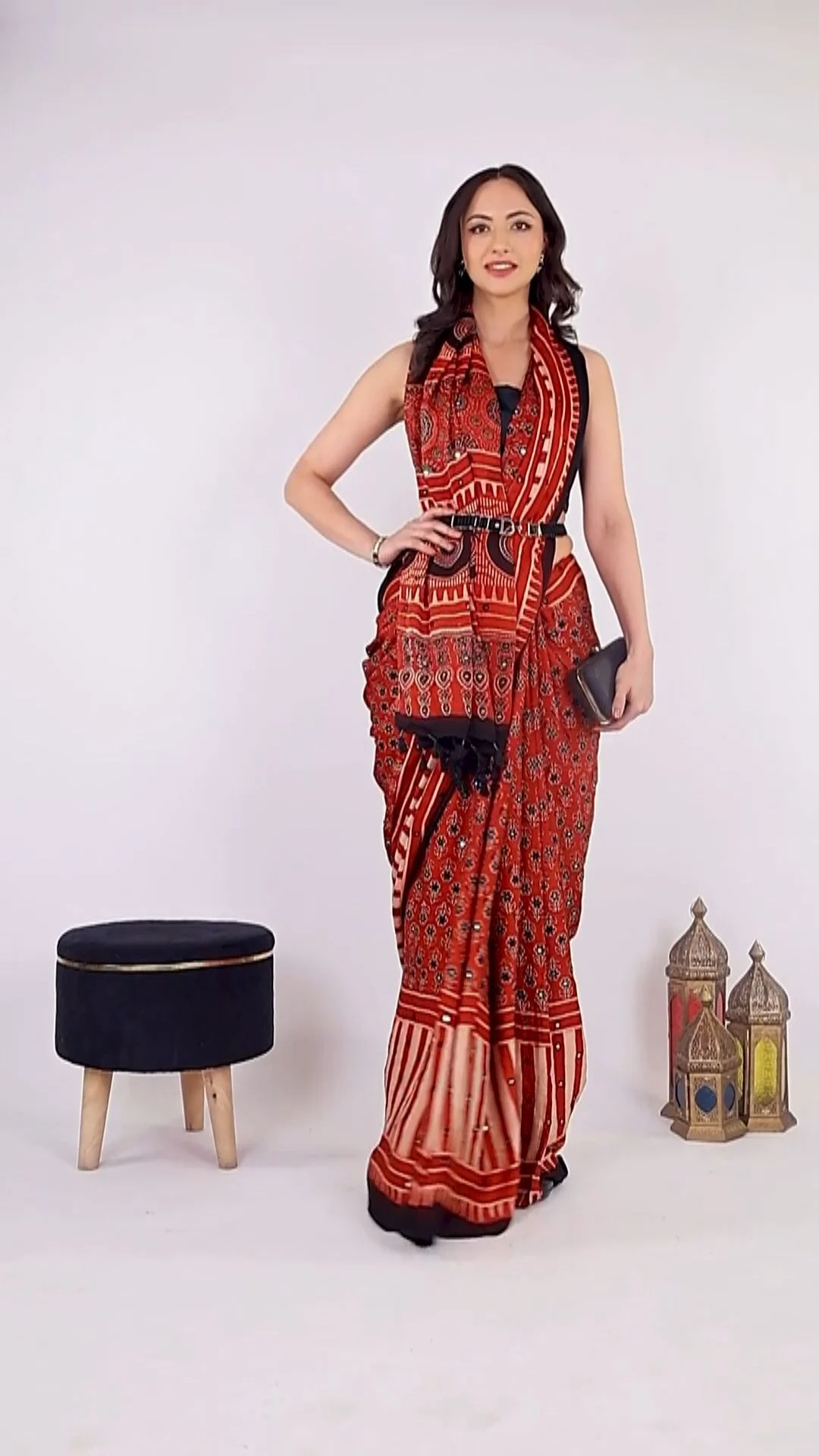
A model release form checklist India brands actually use is not a legal template; it is a list of questions you answer in writing before the shoot day: where the images will run, for how long, in which markets, and what happens when that window ends. When we cast models for brand shoots, this is the conversation we insist on before anyone books a studio. It costs ten minutes. Skipping it has cost brands far more.
The pattern is always the same. A fashion or beauty brand books a model for marketplace listings, the images perform, the performance team wants to run them as Meta ads six months later, and nobody can find a document that says yes. This guide gives you the 12 clauses to lock, a usage-scope table, a renewal tracker and the common mistakes we see at Adverra Studio — written from 9+ years of producing creator and model content for D2C brands.
Key takeaways
- Write usage as a list of named channels, never just “digital” or “all media”.
- Every release needs a start trigger, an expiry date and a written renewal path.
- Paid ads, outdoor and TV are separate decisions from organic social and listings.
- AI edits, synthetic likeness and exclusivity need their own explicit lines.
- Keep one usage tracker per campaign so renewals happen before expiry, not after a complaint.
What is a model release form, and what should it actually cover?
A model release form is a signed consent in which a recognisable person allows a brand to use their image, video and voice for agreed purposes. In practice, it should define the media, territory, duration, edits and payment that apply to that permission — nothing more vague than that.
Think of the release as the scope document for someone’s face. The photographer or production house usually owns the copyright in the photographs, but the person in them still has a say in how their likeness is used commercially. That is why stock libraries insist on releases: Adobe’s model release guidance for contributors requires one for every recognisable person in commercially licensed content. It is useful context, but it is a stock-library rule, not an Indian advertising contract.
In India, most brand shoots use a short release attached to a booking agreement. The booking agreement covers the day: call time, wrap time, wardrobe, payment and cancellation. The release covers the afterlife of the content. Brands get into trouble when the booking agreement is detailed and the release says one line: “images may be used for promotional purposes.” That sentence answers nothing a performance team will ask in month seven.
This article is a production checklist from a casting and shoot team, not legal advice. For high-value, long-term or celebrity work, have a qualified lawyer review the final paper. What this model release form checklist India teams can use does is make sure the right questions reach that lawyer — and that the answers match how you will really use the content.
Why should the release be signed before the booking is confirmed?
Because usage is part of the price. A model’s fee for a two-month listing shoot and a one-year paid campaign are different numbers, and once the shoot is done you have lost all negotiating clarity. Agree the scope, then confirm the date.
When usage is settled after the shoot, three bad things happen. The model or their agency reasonably asks for a higher fee because the content is now proven. Your team rushes because the campaign is live tomorrow. And if the conversation fails, you are left with expensive images you cannot run where you need them. None of that is the model’s fault; it is a planning gap.
Signing first also protects the model. A clear release tells them their face will appear on Myntra and Nykaa listings for twelve months, not on a hoarding in Mumbai. Professionals respect brands that write this down, and the good ones book faster when the paperwork is clean. At Adverra Studio, the usage line is on the first casting call sheet we send, before measurements and before a shortlist.
Model release form checklist India: which 12 clauses should you lock?
Lock these 12 clauses in writing: parties, media, placements, territory, duration, renewal, exclusivity, edits and AI, payment, minors, data handling and takedown. If any line is blank, the release is not ready to sign, however friendly the shoot is.
1. Parties and identity: who is giving permission to whom?
Name the model as on their ID, the brand entity that will use the content, and the production company or agency in between. If a group company, a distributor or a marketplace seller account will run the ads, name them too. A release signed in the agency’s name that does not extend to the brand is the most common gap we see.
2. Media: which channels are included?
List channels by name. A useful model release form checklist India line looks like this: “brand website, marketplace product listings (Amazon, Flipkart, Myntra), owned Instagram and YouTube organic posts, email and WhatsApp catalogues.” Paid social, print, outdoor and TV should be separate tick boxes, each with its own yes or no.
3. Placements and formats: stills, video, voice or all three?
Say whether the permission covers photographs, video, behind-the-scenes clips and voice. Many shoots now produce both stills and short vertical video from the same session, and a release that only mentions “photographs” leaves the 9:16 cut-downs in a grey zone. If you plan on-model fashion videography alongside stills, write both formats into the same clause.
4. Territory: where will people see it?
India-only, India plus GCC, or worldwide online? Territory matters most for brands selling cross-border or running ads to the diaspora. Digital content is technically visible everywhere, so tie territory to where you target paid media and where you sell, not to where a stray viewer might be.
5. Duration and start trigger: when does the clock start?
Write a start trigger (date of first publication, or shoot date) and an expiry (for example, 12 months from first publication). “Perpetual” is sometimes agreed for listing images, but it should be a conscious, paid choice, not a default copy-pasted from an old template. Our view: perpetual for listings, time-bound for ads is a fair middle ground for most D2C brands.
6. Renewal: how is usage extended?
Agree now how a renewal works: notice period, how the fee is calculated (a fixed amount or a percentage of the original fee), and who approves it. A renewal clause turns a tense negotiation into an admin task. Without it, a winning ad gets switched off on expiry day because nobody wants to restart talks.
7. Exclusivity: can the model shoot for a competitor?
Exclusivity is a separate cost. If you need it, define the category narrowly (“ethnic womenswear brands selling online in India”) and the period exactly. Broad exclusivity like “any fashion brand” is expensive and rarely enforced well. For most catalogue work, no exclusivity is the honest default.
8. Edits, retouching and AI: what changes are allowed?
Permit normal edits — crops, colour grading, cut-downs, language versions, captions and background clean-up. Then state plainly whether AI-generated derivatives are allowed: new poses, new outfits, face or voice synthesis. In 2026, this is the clause models ask about most, and leaving it silent damages trust. Our default is that synthetic likeness is excluded unless separately agreed and paid.
9. Payment and usage fee: is usage priced separately?
Split the shoot fee from the usage fee on paper, even if you pay them together. That way a renewal or a scope upgrade has a clear base. Note payment timelines and that the release takes effect on payment. If an agency processes payments, say so.
10. Minors: who signs for a child model?
For anyone under 18, a parent or legal guardian signs, is present on set, and the working hours and breaks are written in. Kids-wear and family brands should treat this as non-negotiable and check current rules with counsel before booking.
11. Personal data: how are IDs, measurements and contact details stored?
Casting collects ID copies, measurements, phone numbers and sometimes addresses. India’s Digital Personal Data Protection framework, published by MeitY’s data protection framework page, expects a clear purpose and sensible retention for personal data. Say who stores it, why, and when it is deleted after the campaign.
12. Takedown and portfolio use: what happens at the end?
Agree what “expiry” means in practice: no new ads, existing organic posts may stay, listings are replaced within an agreed number of days. Also allow the model to use selected images in their portfolio after the campaign launches. It costs you nothing and it is the courteous standard.

How do usage scopes compare by channel?
Organic and listing usage is usually the base scope; paid digital ads, outdoor, print and TV are add-ons with higher fees and shorter terms. Use the table below to decide what to tick before you ask for a quote.
| Usage scope | Typical examples | Usual duration logic | What to write in the release |
|---|---|---|---|
| Listings & website | Amazon, Flipkart, Myntra, Nykaa PDPs; brand site | Long or perpetual while the SKU is live | Named marketplaces + “while product is listed” |
| Owned organic social | Instagram grid, Reels, YouTube Shorts, LinkedIn | Often perpetual for posts already live | Named handles; new posts only within term |
| Paid digital ads | Meta Ads, YouTube ads, Google display | Time-bound, commonly 3–12 months | Start trigger, expiry, renewal fee basis |
| Creator-handle ads | Partnership / whitelisted ads from the model’s handle | Short, campaign-specific | Handle access, spend window, disclosure label |
| Print & outdoor | Hoardings, in-store standees, magazines | Short and city-specific | Cities, formats, run dates |
| TV & OTT | TVC, connected TV ads | Shortest, priced highest | Separate agreement, not a tick box |
The table is a planning aid, not a rate card. Fees vary by model experience, category and exclusivity, which is why Adverra Studio quotes model bookings per campaign. Call or WhatsApp +91 90153 33841 with your usage list, or email [email protected], and we will price it honestly.
How do you set duration and plan renewals before expiry?
Pick a start trigger, an expiry and a renewal reminder 30 days before the end, and record all three in one usage tracker per campaign. Renewal then becomes a scheduled decision instead of a surprise.
Most D2C brands don’t lose rights through bad intent; they lose them through bad memory. A campaign team changes, an ad account gets restructured, and a 12-month release quietly expires while the best-performing creative is still spending. A simple tracker fixes this. We keep one row per model per campaign, and the performance team can see it.
Which fields belong in an image licence duration tracker?
- Asset IDs: file names or ad IDs that feature the model.
- Scope ticked: listings, organic, paid digital, creator-handle, print, outdoor.
- Start trigger and date: first publication or shoot date.
- Expiry date and a reminder date 30 days earlier.
- Renewal basis: fixed fee or percentage, and the approver’s name.
- Status: live, renewal requested, renewed, retired.
When the reminder fires, ask one question: is this creative still earning its place? If yes, renew on the agreed basis. If not, retire it on time and replace it with fresh performance UGC creatives rather than renewing out of habit. Fresh creative usually beats an extension of a tired ad anyway.
What changes when the model is also a creator?
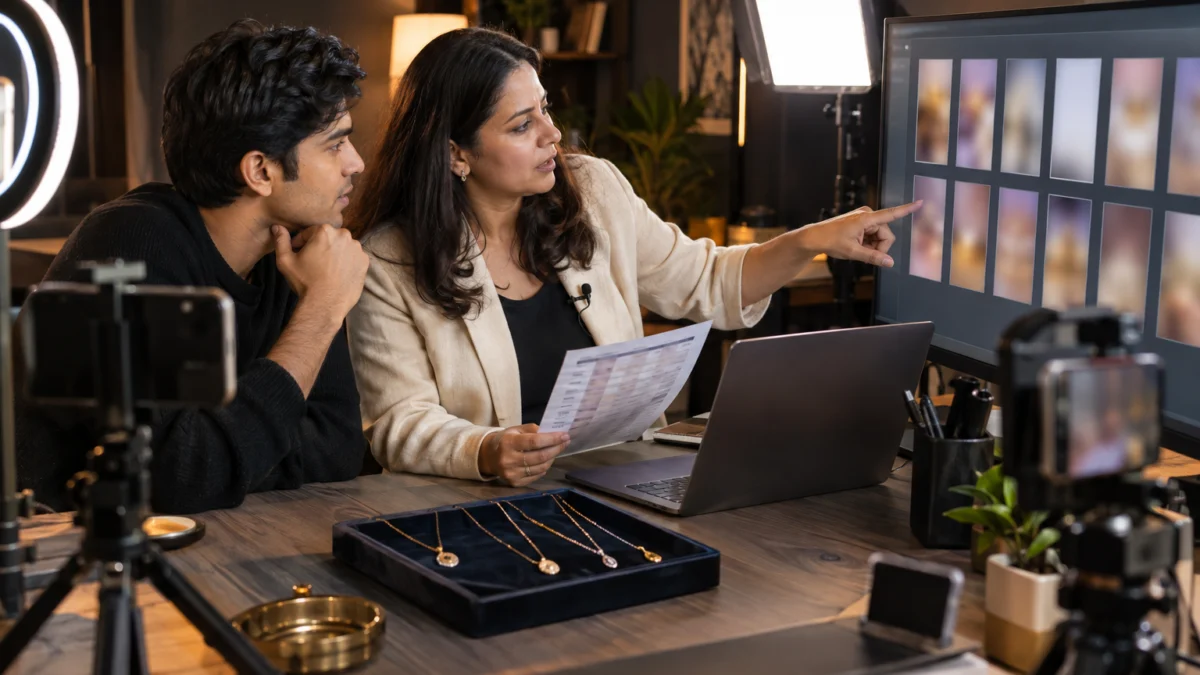
If the model posts on their own handle or lets you run ads from it, you need publishing terms, a disclosure plan and ad-access permissions on top of the release. Image consent and creator posting are two different permissions.
In 2026 the line between model and creator is thin. Many talents who walk for your catalogue also have engaged Instagram followings, and brands want both the shoot and a post. That second ask is closer to influencer work, which we unpack in our comparison of UGC and influencer marketing. Write the deliverables separately: number of posts, formats, posting window and approvals.
If the talent posts about your product, disclosure applies. ASCI’s guidelines for influencer advertising in digital media expect a clear, upfront label such as “#ad” or “Paid partnership” for material connections. Put the label requirement in the brief and the agreement, so it is not a last-minute edit.
For ads that run through the creator’s handle (partnership or whitelisted ads), add three lines: which ad account gets access, the spend window, and when access is revoked. Usage rights for those ads should match the paid-digital row of your release. Brands that mix these up end up running ads from a handle after the talent thought the deal had ended.
How do you run the release process from casting to delivery?
Run it in five steps: write the usage scope into the casting brief, confirm it at shortlist, sign before the deposit, check it on set, and log it in the tracker at delivery. Each step takes minutes when the scope is decided early.
- Brief: add a “planned usage” block to the casting brief — channels, territory, duration, AI stance. Our model casting checklist for D2C campaigns shows where it fits.
- Shortlist: share the usage block with every finalist so fees are quoted on the same basis.
- Sign: the release and booking agreement are signed before the deposit and the call sheet go out.
- On set: the coordinator confirms the scope again and notes any extra formats shot, such as BTS or voice.
- Delivery: every final file is logged against the release in the usage tracker.
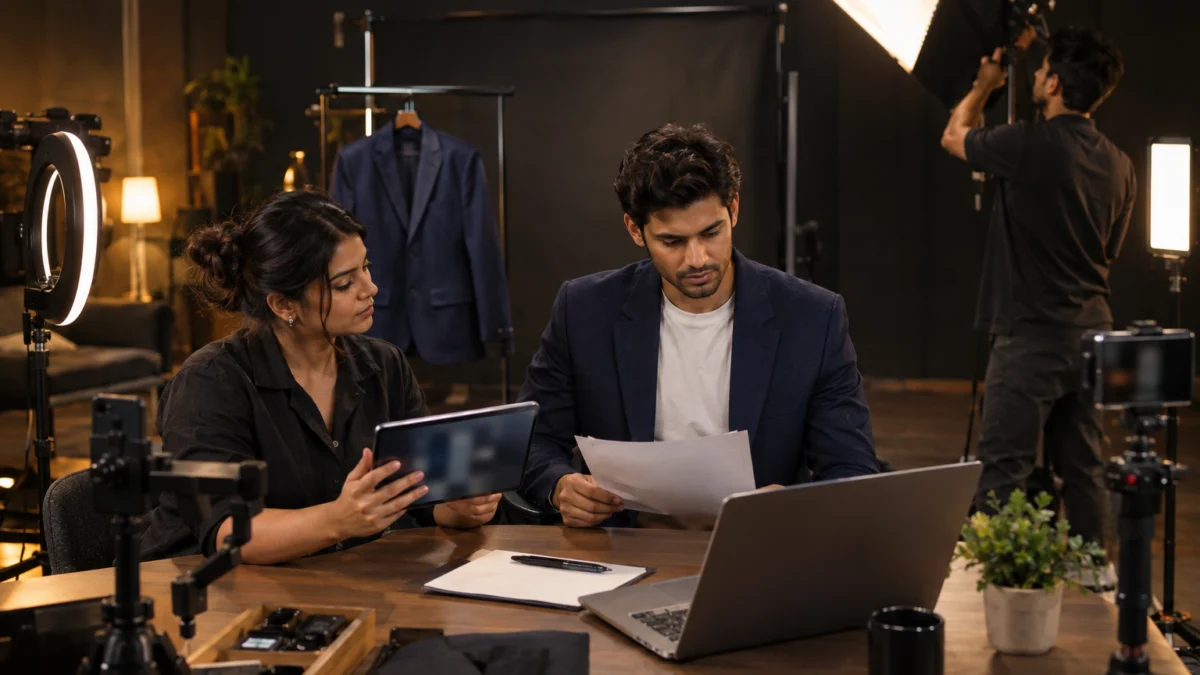
On our shoots, the on-set coordinator holds the signed scope. If the creative director decides to grab a quick talking-head clip for a Reel that was never in the brief, the coordinator flags it and the addition is written down before the camera rolls. That habit protects the brand and the model equally, and it is the same discipline Adverra Studio brings to every one of the 500+ brands it has produced content for.
What should a one-page usage summary look like?
Attach a one-page usage summary to the release so anyone on the team can read the scope in 30 seconds. It does not replace the agreement; it translates it for marketers.
Usage summary (copy and fill):
- Talent: [name as per ID] · Brand entity: [legal name] · Producer: [company]
- Formats: stills / vertical video / BTS / voice
- Media: website · marketplaces [names] · organic social [handles] · paid digital [yes/no] · print/outdoor [yes/no]
- Territory: [India / India + markets]
- Start trigger: [first publication / shoot date] · Expiry: [date] · Reminder: [date]
- Renewal: [fixed fee / % of original] · Approver: [name]
- Exclusivity: [none / category + period]
- Edits allowed: crops, grading, cut-downs, captions · AI derivatives: [excluded / agreed separately]
- Creator posting and disclosure: [deliverables + label]
- Data retention: [where stored, deletion date]
This block is what your performance marketer will check before launching an ad, so keep it in the same shared folder as the creatives. When we hand over a campaign at Adverra Studio, the summary sits next to the final files, and the talent release checklist is part of the delivery note.
Which model release mistakes cost brands the most?
The expensive mistakes are vague media lines, no expiry, verbal add-ons on set and silence on AI. Each one is cheap to fix before the shoot and costly after the content performs.
- “All digital media” as the scope: too vague to defend, too broad for most models to accept at a fair fee.
- No expiry or renewal: you either run content without clear consent or switch off winners abruptly.
- Verbal additions on set: “just one quick Reel” becomes a dispute when it becomes an ad.
- Release in the wrong name: signed with the agency or photographer, not extended to the brand.
- No AI clause: trust breaks when a model sees an outfit they never wore.
- Exclusivity added later: asking after the shoot forces a premium you could have planned.
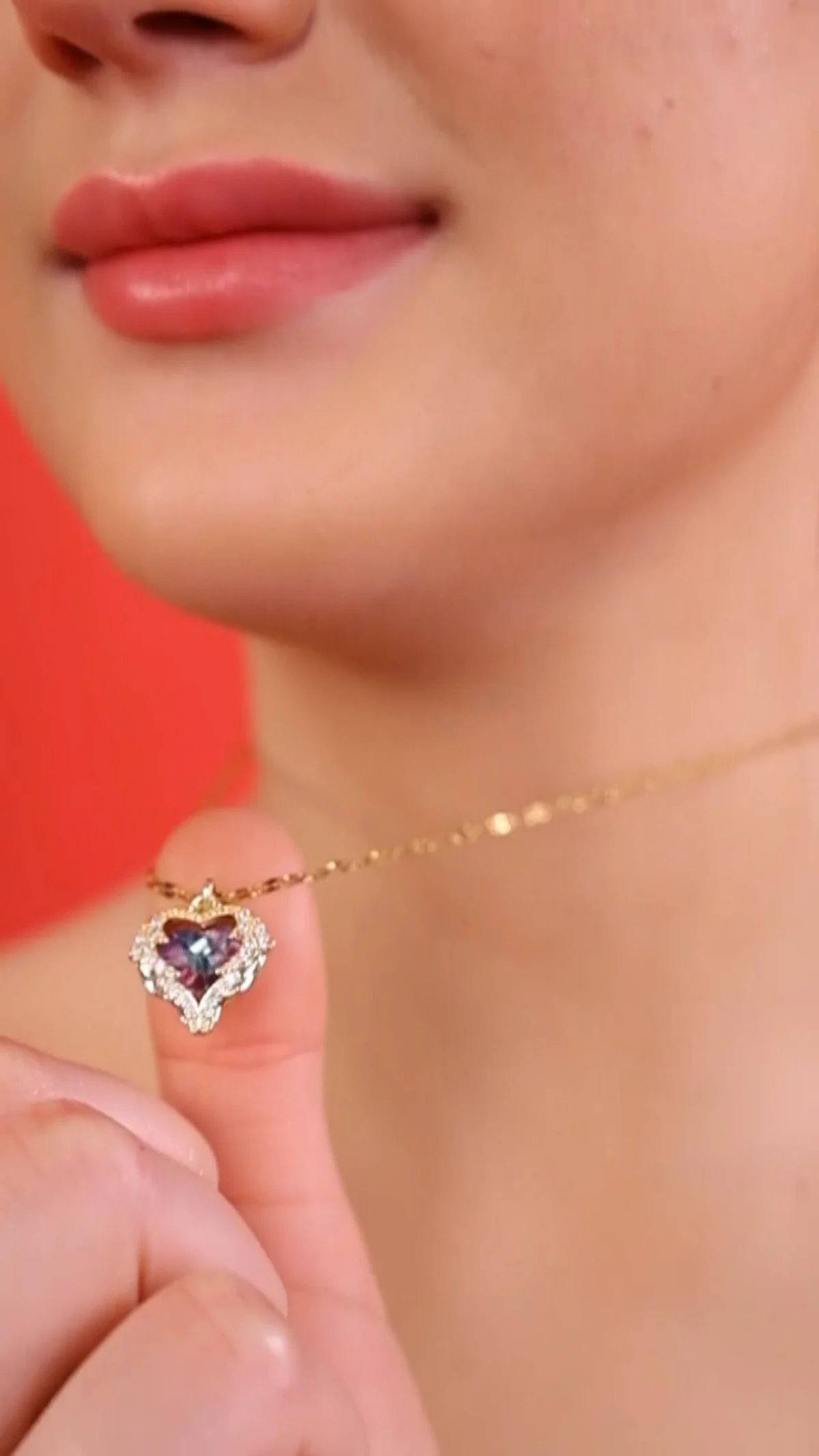
One subtle mistake is assuming a cropped or partial-face image needs no release. Jewellery and skincare close-ups often show enough of the jawline, hands or tattoos to identify someone. Our rule is simple: if the talent could recognise themselves, the shot is covered by the release.
What will change for model releases in 2026–2027?
Expect explicit AI-likeness clauses, tighter data handling and more paid-usage tiers. Brands that standardise their model release form checklist India process now will spend less time renegotiating later.
AI likeness is the new default question. As AI-edited ad variants become routine, models and their agencies increasingly ask for a written “no synthetic likeness without consent” line. Expect it to become standard in Indian booking paper the way usage duration did.
Data handling is getting formal. With the DPDP framework in force, casting teams will need cleaner consent for collecting IDs and measurements, and clearer deletion timelines.
Usage tiers are getting more granular. Instead of “digital”, releases now separate listings, organic, paid social, creator-handle ads and connected TV. Brands that plan their media mix before casting get better fees and fewer surprises.
Model release form checklist India: frequently asked questions
Short answers to the questions brands ask us most before booking a model.
There is no single release form mandated for every shoot, but using a recognisable person’s likeness commercially without clear written consent invites disputes. A signed release that defines media, territory and duration is standard practice for brands. For high-value or long-term campaigns, ask a qualified lawyer to review the final agreement.
The booking agreement covers the shoot day: call time, wrap time, wardrobe, payment and cancellation. The model release covers how the resulting images and videos can be used afterwards: channels, territory, duration, edits and renewal. Many brands combine both in one document, but each part should be complete on its own.
It depends on the channel. Listing and website images often run while the product is live, while paid ads are usually licensed for a fixed period such as 3 to 12 months. Set a start trigger, an expiry date and a renewal path, and track all three so winning ads are renewed before they lapse.
Not safely. Paid advertising is a different scope from marketplace listings, and models usually price it separately. If the release only names listings and your website, ask for a written extension covering paid digital ads, with its own duration and fee, before you launch the campaign. Do not rely on a verbal yes.
Yes. Allow normal edits such as crops, colour grading and cut-downs, then state clearly whether AI-generated derivatives like new poses, outfits or voice synthesis are excluded or separately agreed. Silence on AI is the clause most likely to damage trust with talent in 2026, so write your position down before the shoot.
Yes. Adverra Studio writes the usage scope into the casting brief, shares it with every shortlisted model, and ensures the release is signed before booking. Our coordinator confirms scope on set and logs delivered files against it. Model bookings are quoted per campaign; call or WhatsApp +91 90153 33841 to share your planned usage.
Next step: write your planned channels, territory and duration into one line and send it with your casting enquiry through our casting enquiry form, or message us on WhatsApp at +91 90153 33841. With the usage defined up front, our modelling team can shortlist from 500+ verified models and quote on a clear, comparable basis — and you can apply this model release form checklist India process to every shoot after that.
From casting brief to signed scope
How Adverra Studio keeps model usage clear on every brand shoot.
Usage in the brief
Channels, territory, duration and AI stance are written into the casting brief.
Same basis for every finalist
Shortlisted models quote against the same usage block, so fees are comparable.
Signed before the deposit
Release and booking agreement are signed before the call sheet goes out.
Scope checked on set
Our coordinator confirms scope and records any extra formats before the camera rolls.
Logged at delivery
Every final file is logged against the release with expiry and renewal dates.
Cast models with the scope agreed upfront
Share your channels, territory and duration. We shortlist verified models and quote on a clear basis. Free Meta Ads audit worth ₹5,000 included on request.