Model Portfolio Digitals Checklist for Beginners: What Casting Teams Expect in 2026–2027
A practical model portfolio digitals checklist for beginners in India: the exact unedited shots, measurements and submission format that casting teams open first, and the fees you should never pay.
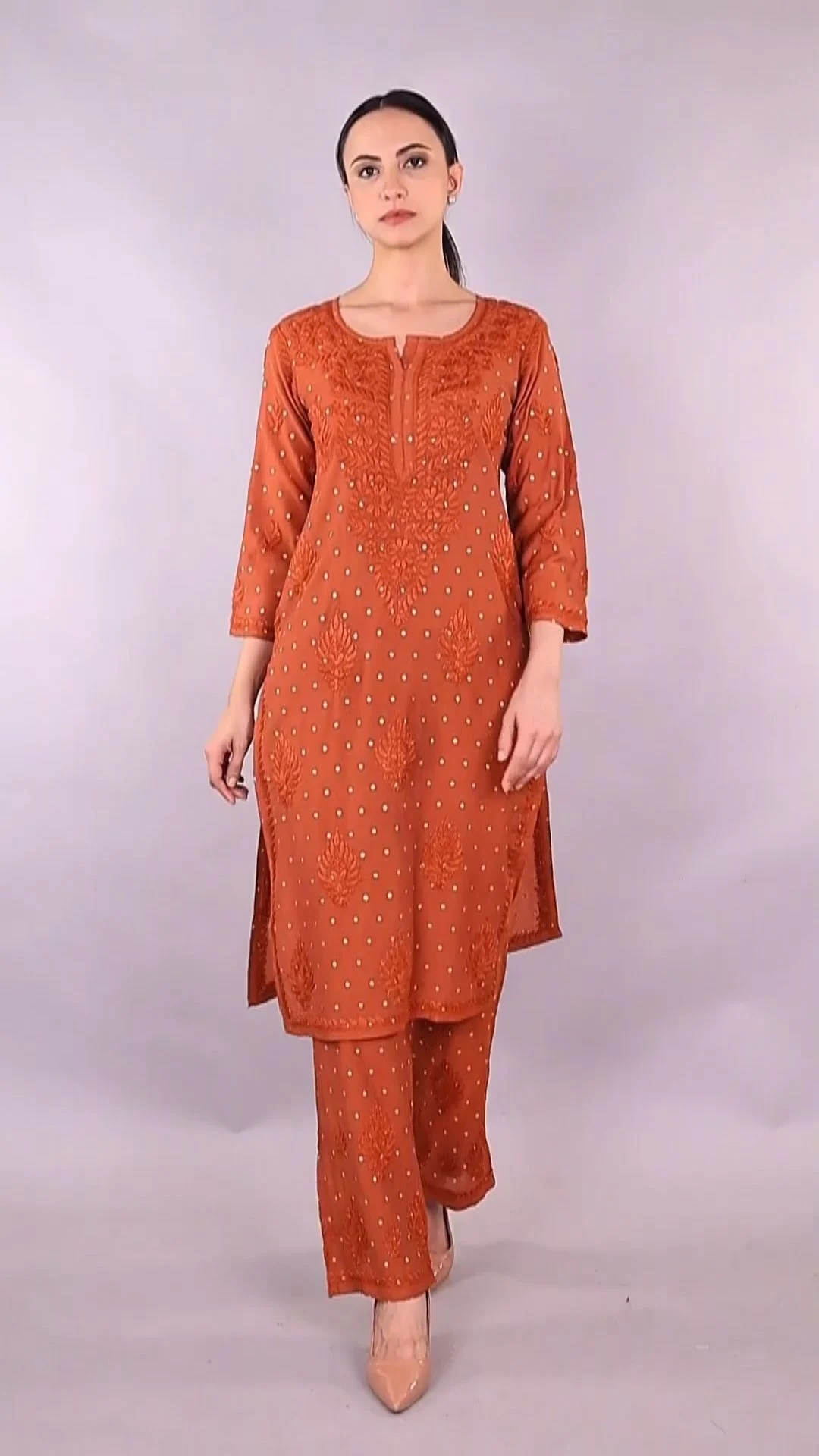
A model portfolio digitals checklist is the shortest route from “I want to model” to a casting team actually opening your email. At Adverra Studio, our modelling agency team reviews new talent submissions every week, and the pattern is consistent. The beginners who get shortlisted rarely have the most expensive photographs. They have clear, current, unedited ones, and they send them in a format a busy coordinator can read in thirty seconds.
This guide is written by Prince, founder of Adverra Studio, from the casting side of the table. You will learn which digitals to shoot, how to shoot them on a phone, what a beginner portfolio needs beyond them, how to format casting submission photos, and how to spot agencies that make money from aspiring models instead of from brands. It is meant for new models, actors and UGC creators across India who want their first booking without paying for shortcuts that do not exist.
Key takeaways
- Digitals (polaroids) are unedited, plain-clothes photos that prove how you look today; the portfolio proves range.
- Eight to twelve digitals shot in one session on a decent phone are enough to start.
- Send honest measurements, your city and the date the photos were taken with every submission.
- Six to ten varied portfolio frames beat forty similar ones.
- A genuine agency earns from brands. If it asks you for a registration or portfolio fee, walk away.
What are model digitals, and how are they different from a portfolio?
Model digitals, also called polaroids, are simple unedited photos that show exactly how you look today: plain clothes, minimal makeup, plain wall, no filters. A portfolio shows what you can do on a styled shoot. Casting teams use digitals to check reality and the portfolio to check range.
Here is why the difference matters. A brand is not booking a mood; it is booking a specific face and body to wear a specific sample on a specific date. If your best editorial picture was shot two years ago with heavy retouching, a different haircut and dramatic lighting, the coordinator cannot tell whether a size M kurta will sit correctly on you next Tuesday. Digitals answer that question in one glance. That is also why many agencies in India now ask for digitals first and look at portfolios second.
In our experience on the casting desk, a beginner with honest digitals and no portfolio has a better chance than a beginner with a glossy portfolio and no digitals. One line we repeat to new talent: your portfolio gets you noticed, your digitals get you booked.
Digitals vs portfolio at a glance
| Point | Digitals (polaroids) | Portfolio shots |
|---|---|---|
| Purpose | Prove your current look, proportions and skin | Show range, presence and how you photograph when styled |
| Styling | Fitted plain basics, hair natural, minimal makeup | Wardrobe, hair and makeup to suit the brief |
| Editing | None: no filters, no skin smoothing, no reshaping | Light, honest colour and exposure correction |
| Who shoots | A friend with a phone, or the agency | A photographer on a test shoot or a real booking |
| How often | Every 3–6 months, or after any visible change | Add new frames after each good shoot |
| What casting checks | Height, build, skin, teeth, hair length, posture | Expression range, movement, category fit |
You will also hear the term comp card. A comp card (composite card) is a one-page sheet with three to five of your strongest images, your name and your measurements. Agencies usually build it after they have verified you, so as a beginner you do not need to design one yourself. Get the raw material right first: digitals plus a few strong frames.
Which shots belong in a model portfolio digitals checklist?
A complete set is eight to twelve frames: full-length front, side and back, a waist-up front, close-ups straight on and smiling, both profiles, plus hands and a short movement clip where your category needs them. Shoot every frame in one session so the light and your appearance match.
The 12-shot model portfolio digitals checklist
- Full-length front — standing straight, arms relaxed by your sides, feet slightly apart, head to toe in frame with a little space above and below.
- Full-length side (left) — turn 90 degrees; this shows posture and the line from shoulder to hip.
- Full-length side (right) — some faces and bodies read differently from each side, so send both.
- Full-length back — hair tied up or moved forward so the shoulders and back are visible.
- Waist-up front — useful for tops, kurtas and shirts, where most e-commerce crops land.
- Close-up, neutral — face filling most of the frame, mouth relaxed, eyes to the lens.
- Close-up, natural smile — teeth visible; casting teams want to see your real smile, not a posed one.
- Profile close-up (left) — jawline, nose and ear line.
- Profile close-up (right) — completes the set for beauty and jewellery castings.
- Three-quarter angle — the angle most catalogue and lifestyle frames actually use.
- Hands and nails — clean, unpainted or nude nails; essential for jewellery, skincare and product-handling work.
- A 10–15 second movement clip — walk towards the camera, turn once, stop and say your name, city and height.
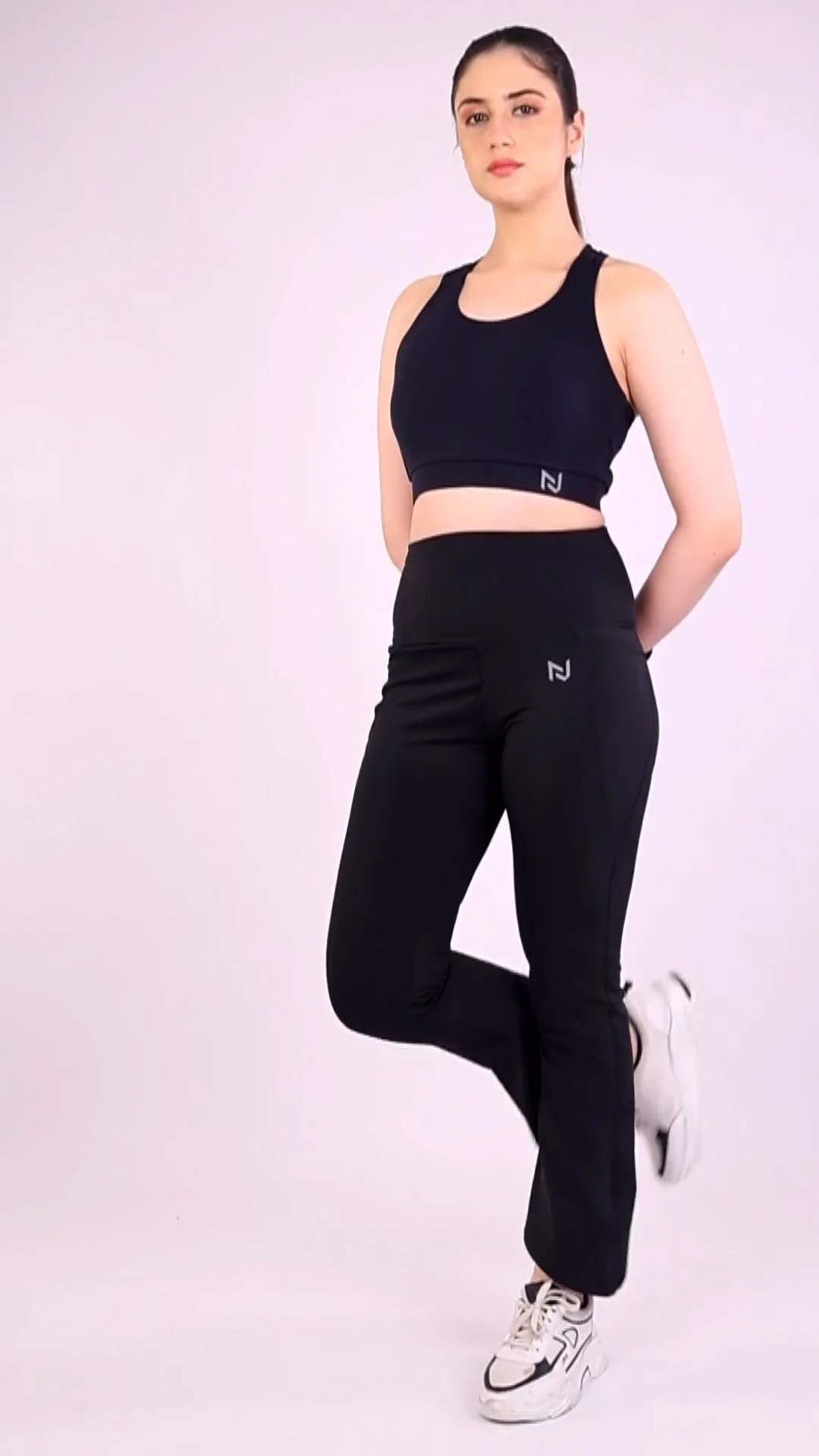
Keep most frames neutral, with one or two natural smiles. Show your hair the way it is today, and if you have a beard, a tattoo or a piercing, leave it visible; hiding it only creates surprises on set. For men, shoot with your current grooming, and if you regularly switch between clean-shaven and bearded looks, mention it in your submission. Honesty is the whole point of a digital.
What to wear for model digitals polaroids
- Women: a fitted black or neutral tank top or tee with fitted jeans or leggings; hair loose for some frames and tied back for others.
- Men: a fitted plain tee (black, white or grey) with fitted jeans or trousers.
- Footwear: barefoot or simple heels for women and clean plain shoes for men; be consistent across the set.
- Avoid: big logos, slogans, prints, sunglasses, caps, heavy jewellery and anything that changes your silhouette.
- Swimwear: only for categories that genuinely need it, only if you are comfortable, and never because someone insists before a written contract exists.
How do you shoot digitals at home with just a phone?
Stand about a metre from a large window with soft daylight on your face, against a plain light wall, and ask a friend to shoot with the phone’s rear main camera at chest height. Turn off beauty mode and filters, shoot the full list in one twenty-minute session, and export the originals without editing.
You do not need a photographer for digitals. Most mid-range phones sold in India today capture more detail than a casting team needs. What spoils home digitals is almost never the phone; it is bad light, a cluttered background and wide-angle distortion from the selfie camera. Follow these steps in order:
- Pick the light. Late morning or mid-afternoon, near a window with indirect daylight. Avoid direct sun, overhead tube lights and mixed yellow bulbs.
- Prepare the wall. Use a plain white, off-white or light grey wall. Remove frames, switches in shot, clothes and furniture edges.
- Set up the phone. Use the rear main camera, turn off beauty, portrait blur and filters, switch on the grid, and wipe the lens.
- Get the height right. For full-length frames hold the phone vertically at waist height about two to three metres away; for close-ups shoot at eye level using 2x zoom instead of walking closer.
- Run the shot list. Go through all twelve frames from the checklist in the same outfit and light, taking two or three versions of each.
- Review on a bigger screen. Check focus, cropped feet and hands, and whether you look like yourself. Reshoot anything blurred.
- Export and rename. Keep the original files, convert to JPG if needed, and rename them clearly before sending.
Why not the selfie camera? Front cameras are wide-angle and are usually held close to the face, which enlarges the nose and shrinks the ears and jaw. A casting coordinator has seen thousands of these and will mentally discount the image, or skip it. Ask a friend, use a tripod, or use the self-timer with the rear camera.
Prince’s rule: if a stranger who saw your digitals could not recognise you at a café the next day, reshoot them. Digitals that flatter you cost you bookings, because the mismatch shows up on shoot day.
What should a beginner model portfolio include beyond digitals?
Six to ten strong, varied frames are enough for a beginner model portfolio in India: a clean e-commerce look, a lifestyle frame with a product, one ethnic or editorial look, a beauty close-up and a short movement clip. Range and quality matter far more than quantity, and every image should still look like you today.
Think of the portfolio as evidence for the work you actually want. Most new models in India get their first regular income from e-commerce and catalogue work, so a beginner portfolio that ignores catalogue frames is missing its most practical audience. Editorial looks are lovely, but a casting team booking forty kurtas for a marketplace listing wants to see that you can hold a clean front, back and side pose and keep posture consistent.
Model portfolio shots by goal
- E-commerce look: one outfit shot front, back and side on a plain backdrop, the way it would appear on a product listing.
- Lifestyle frame: you using a product naturally, such as holding a coffee mug, carrying a tote, or applying a cream.
- Ethnic look: a saree, kurta set or sherwani, because Indian brands shoot a lot of ethnic and festive wear.
- Editorial or mood frame: one image with stronger styling and expression to show presence.
- Beauty close-up: clean skin, soft light, minimal makeup; useful for skincare and cosmetics briefs.
- Movement clip: 10–20 seconds of walking, turning or interacting with a garment.
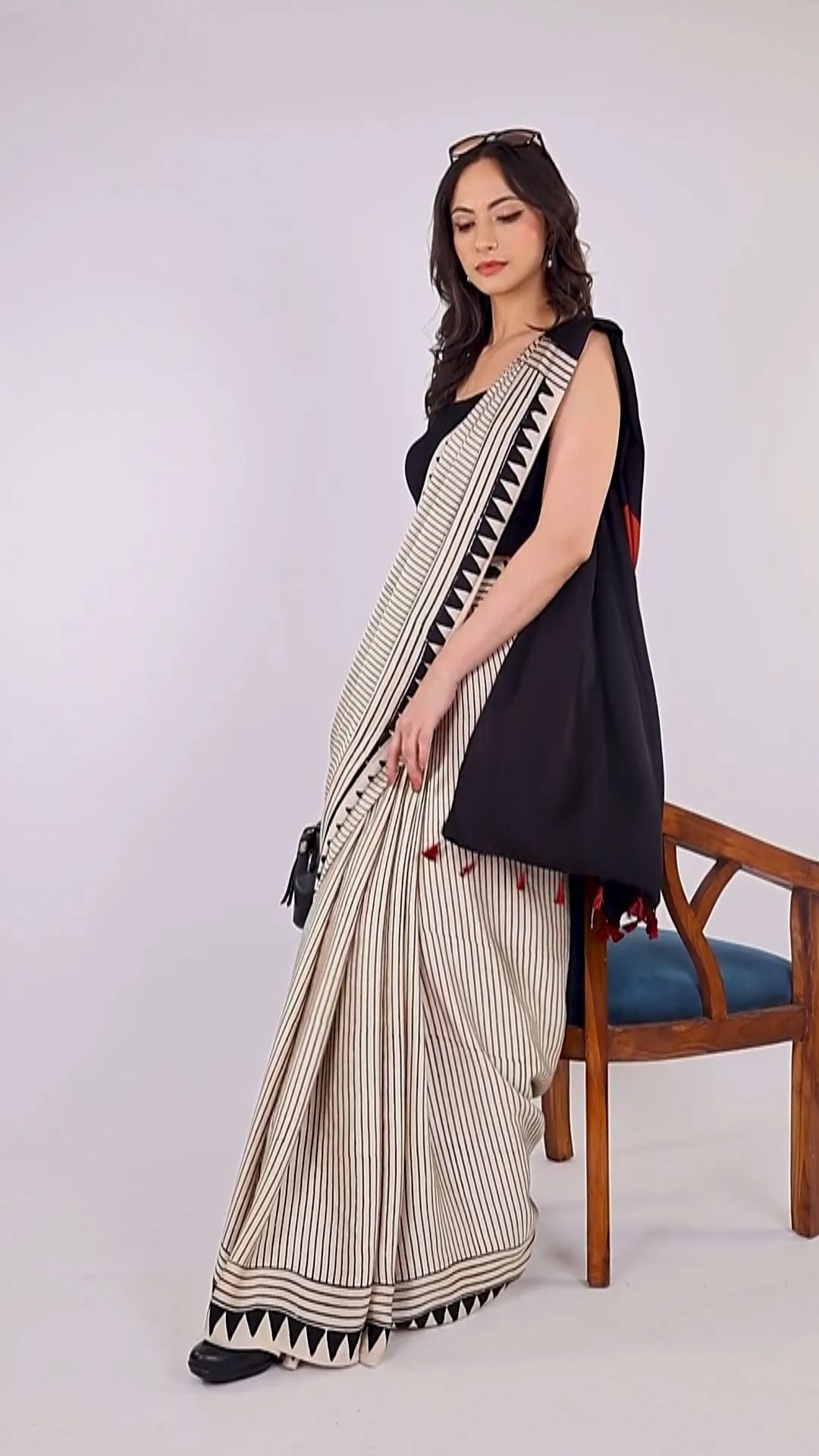
Short video now carries real weight. Brands that sell on Instagram Reels and YouTube Shorts often want to see how a model moves, turns and handles fabric before they book. A simple clip like the one below tells a coordinator more about drape and posture than five still frames.
If you want to understand how brands plan these frames before a shoot, our fashion shoot shot list for D2C apparel walks through the angles and crops a typical apparel brief asks for. Reading it once will help you pose for the frames that actually get used.
What details should go with your casting submission photos?
Send your height, chest or bust, waist, hips, shoe size, hair and eye colour, base city, languages and the date your digitals were taken. Measure with a soft tape in both centimetres and inches, honestly, because a sample garment will expose a wrong number on shoot day.
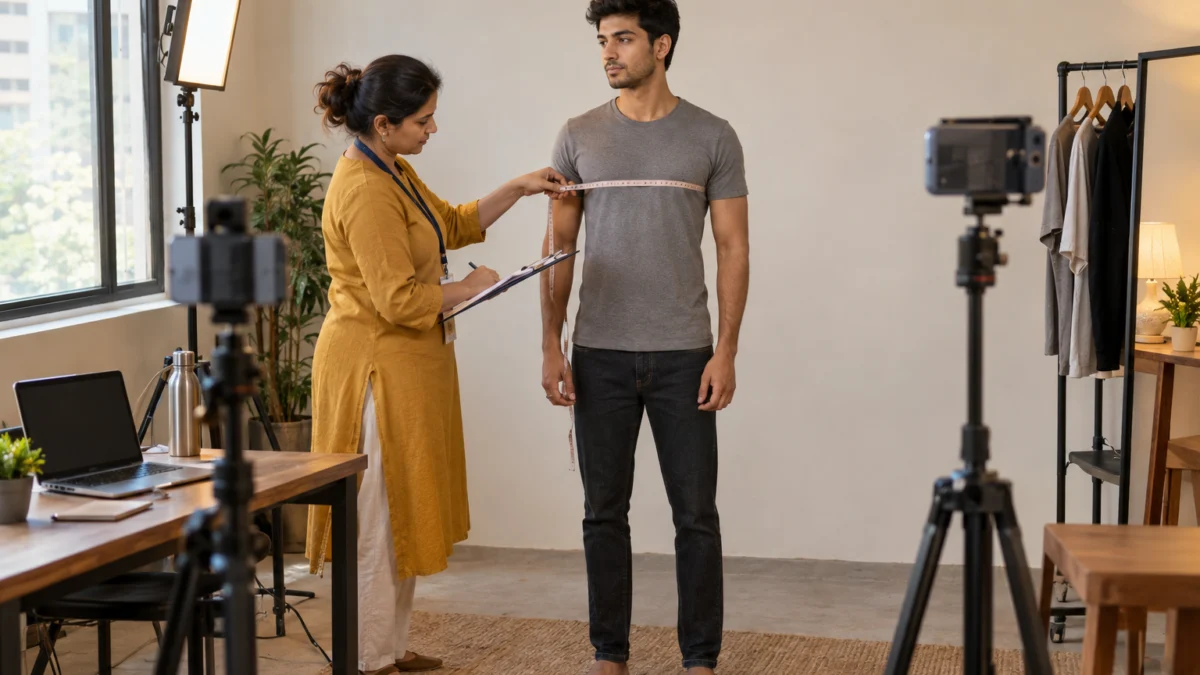
The measurements casting teams ask for
- Height without shoes, in centimetres and feet-inches.
- Chest or bust, measured around the fullest part, tape level.
- Waist at the natural waist, not where your jeans sit.
- Hips around the fullest part.
- Shoe size in UK or EU sizing, and your usual garment size (S, M, L or 38, 40).
- Hair and eye colour, hair length, and any tattoos or piercings.
Profile details that help casting teams decide faster
Beyond numbers, add your base city and whether you can travel, your usual availability (weekdays, weekends, college timings), languages you speak comfortably on camera such as Hindi, English, Punjabi or Tamil, and practical skills like dance, yoga, sports, driving or delivering scripted lines. State your experience honestly: complete beginner is a perfectly good answer, and it is far better than an inflated one.
Do not attach Aadhaar, PAN or other identity documents to a cold submission. Identity and age checks should happen later, with the booking coordinator, under a written contract. India’s data protection framework, published by the Ministry of Electronics and Information Technology, puts clear duties on whoever collects your personal data, and a professional agency will explain why it needs each document before asking.
How do casting teams judge photos for e-commerce, editorial and UGC work?
Each category reads the same photos differently. E-commerce teams look for proportions, posture and consistency; editorial teams look for presence and movement; beauty and jewellery teams study skin and hands; UGC and lifestyle teams look for a relatable face and an easy speaking manner on camera.
| Category | What they check first | Best proof to send | Common reason to skip |
|---|---|---|---|
| E-commerce and catalogue | Proportions, garment size, posture over many changes | Full-length front, side and back digitals with measurements | Only face close-ups, no full-length frames |
| Fashion and editorial | Presence, movement, how styling changes you | Digitals plus 2–3 styled frames and a walk clip | Every image has the same pose and expression |
| Beauty, skincare and jewellery | Skin texture, teeth, hands, nails, profile | Close-ups in daylight, both profiles, hands and nails | Filters or skin smoothing on close-ups |
| Actor, lifestyle and UGC | Natural expression, voice, comfort talking to camera | A 15–30 second self-intro video plus digitals | No video, or a stiff, read-out intro |
For catalogue work on Amazon, Myntra or Ajio listings, garment fit decides almost everything. When brands commission fashion shoots for D2C brands, the casting brief usually lists sample sizes before it lists a “look”, which is why your measurements and full-length digitals carry so much weight. Height matters less than many beginners think for e-commerce; consistency and stamina matter more.
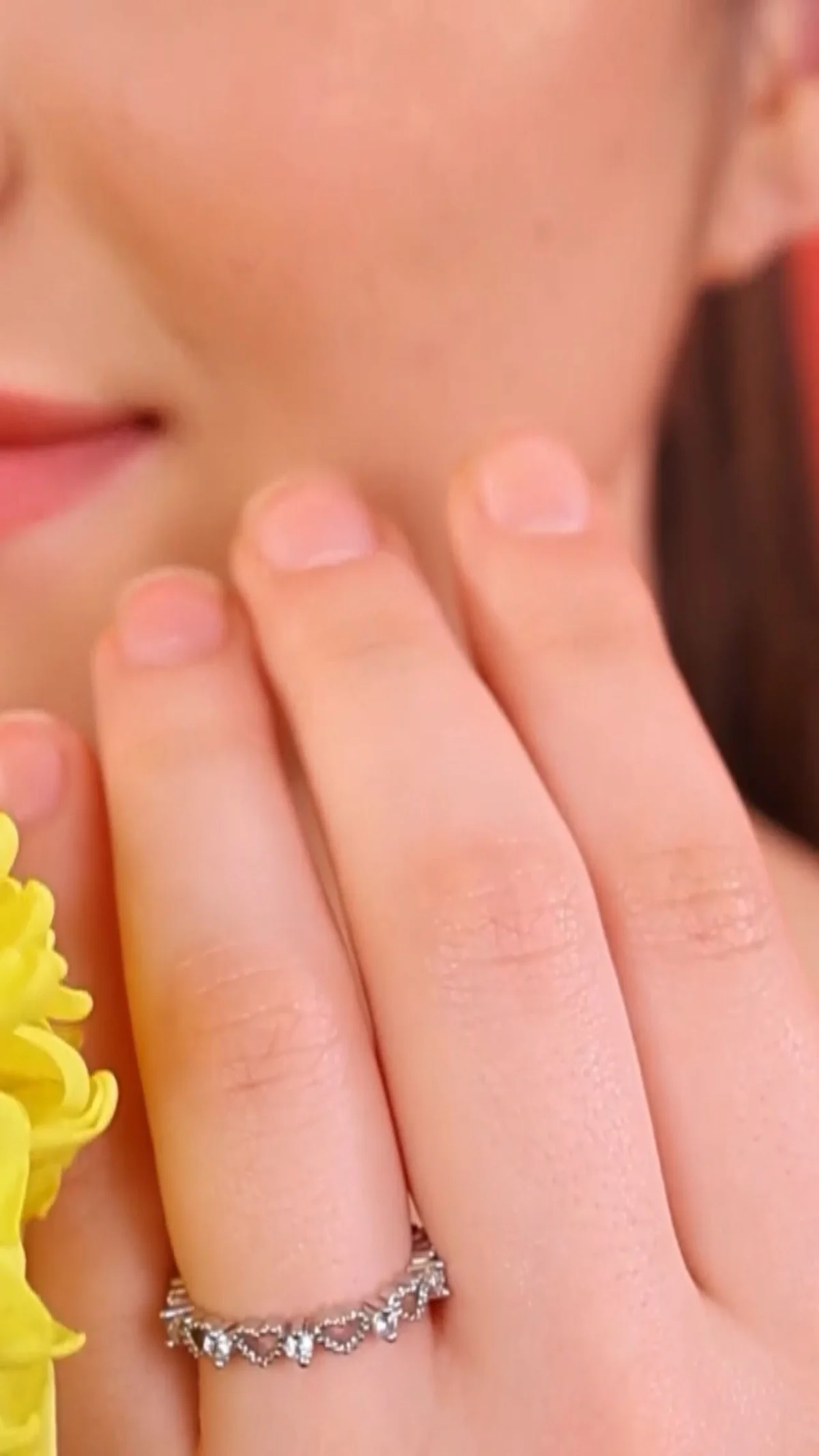
Beauty and jewellery work is where filters hurt most. A ring or a serum is sold on real skin texture, so a smoothed close-up tells the casting team nothing useful. If you want hand or parts work, add two or three hand close-ups in daylight and keep your nails neat and neutral during the weeks you are actively applying.
When is a model test shoot worth doing, and how do you brief it?
Do a model test shoot once your digitals are ready and you know which category you are targeting. A good test shoot produces three to five usable portfolio frames in that category, with a written agreement on who may use the images, where, and with what credit.
A test shoot is a short session with a photographer to create portfolio images, not to sell anything. It can be paid, collaborative (often called TFP, time for prints, where nobody pays and everyone gets images), or organised by an agency for talent it is developing. What it should never be is a condition for “joining” an agency. Brief it the same way a brand would brief a shoot:
- Category and goal: for example, “e-commerce kurta looks for catalogue castings”.
- Three reference images showing framing and mood, not someone else’s face to copy.
- Wardrobe: two or three looks you own or the stylist provides, ironed and fitting well.
- Hair and makeup: natural and close to your digitals; save dramatic looks for one frame only.
- Deliverables: number of edited images, light retouching only, delivery date and file format.
- Usage and credit: written in a message or simple agreement before the shoot, including whether the photographer may post the images.
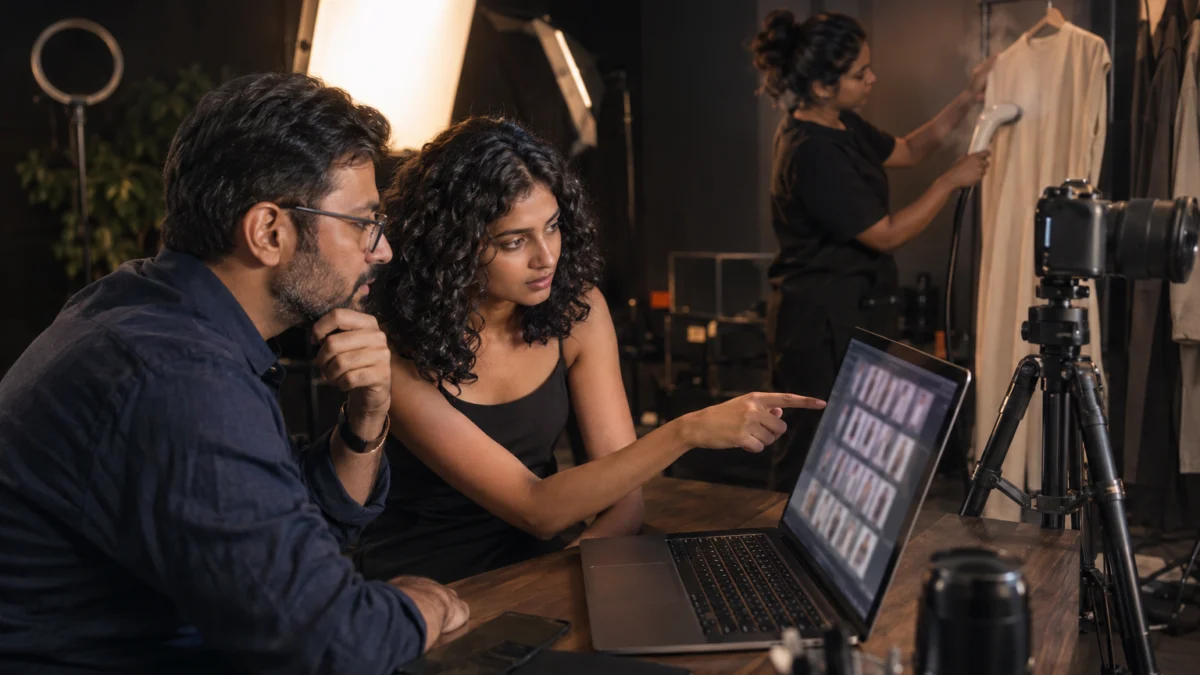
At Adverra Studio we run periodic in-studio test shoots in Delhi NCR for promising talent who do not have a portfolio yet, at no cost to the model. We started as a fashion photography operation in 2015, and we have seen that a beginner who walks in with honest digitals gets far more out of a test shoot, because the photographer already knows what you look like and can plan around it.
How do you send a casting submission that actually gets opened?
Send one short email or form entry with your name, city, height and category in the subject line, five to eight compressed images or a single shared folder link, measurements in the body, and a phone number. Casting teams skim hundreds of submissions, so make yours readable in thirty seconds.
A casting submission template you can copy
Subject: New talent – Your Name – Delhi NCR – 5’6″ – E-commerce / Lifestyle
Body: Hello, I am a beginner model based in Delhi NCR, available weekdays and weekends. Measurements: height 168 cm, bust 84 cm, waist 66 cm, hips 90 cm, shoe UK 6, size S. Languages: Hindi, English. Digitals taken: October 2026 (attached, unedited). Portfolio and intro video: one shared folder link. Phone and WhatsApp included below. Thank you for your time.
An illustrative template only, not a real applicant. Replace every detail with your own.
- File names: firstname-lastname-front-full-oct2026.jpg, so nothing gets lost when downloaded.
- File size: JPG under about 2 MB each; never a 40 MB email or a single collage image.
- Links: one folder link with view access switched on, checked in an incognito window first.
- Follow-up: one polite message after a week or two; repeated calls do not speed anything up.
On WhatsApp, keep the same discipline: one message with the key details and a folder link, not twenty separate photos. If you would like Adverra Studio to look at your submission, email [email protected] or message us on WhatsApp at +91 90153 33841. If you do not have a portfolio yet, four clear unedited photographs in natural light are enough for us to review.
Which modelling portfolio mistakes make casting teams skip you?
The most common modelling portfolio mistakes are heavy filters, old photos, sunglasses or caps, busy backgrounds, selfie-camera distortion and dozens of near-identical frames. Each one makes the casting team guess, and a team that has to guess usually moves to the next profile.
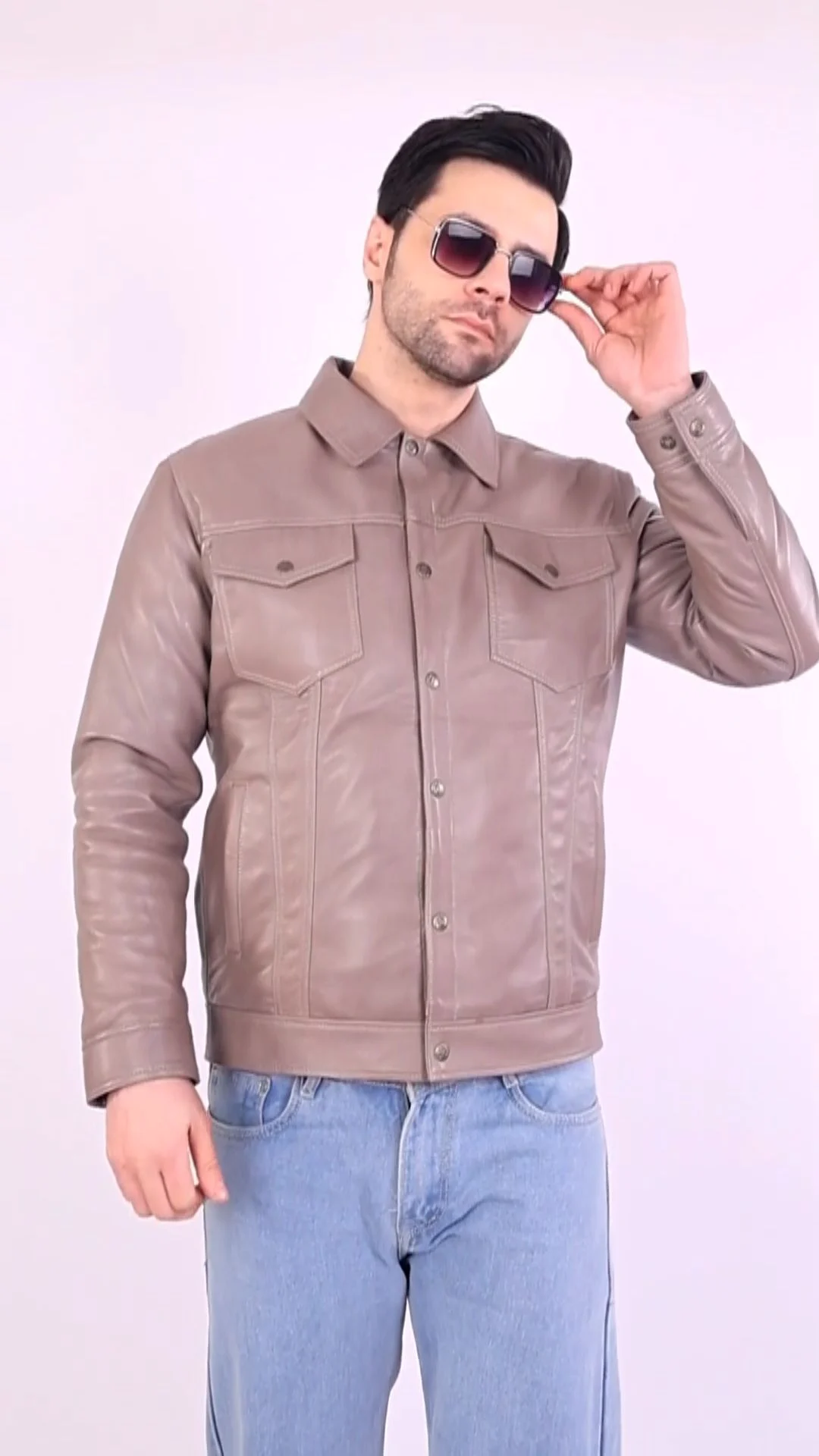
- Beauty filters and skin smoothing. They erase exactly what skincare and beauty briefs need to see.
- Old photos. A haircut, weight change or new beard makes last year’s pictures misleading.
- Sunglasses, caps and heavy jewellery in digitals. Casting teams need your eyes and face shape.
- Mirror selfies and cluttered rooms. They look casual in the wrong way and distract from you.
- Collages and graphic templates. Teams cannot zoom or save individual frames, so they skip them.
- Forty similar photos. Send your best eight; the rest dilute your strongest image.
- Inconsistent numbers. A height of 5’7″ on Instagram and 5’5″ in the email destroys trust instantly.
- Large photographer watermarks across the face or body. Ask for clean files or a small corner credit.
None of these needs money to fix. They need an hour of honest editing of your own folder. When we review submissions for our roster, the profiles that move forward are almost always the simplest ones.
How do you spot a portfolio scam or an upfront-fee agency?
A legitimate modelling agency earns from the brands that book you, so it has no reason to charge registration, portfolio, grooming or profile-verification fees. If money flows from you to the agency before any paid booking, treat it as a red flag and walk away.
This is the single most important rule in this guide. When an agency charges aspiring models, its business grows by signing more people, not by getting anyone booked. Watch for these red flags:
- A “registration”, “profile activation” or “verification” fee before any work.
- A compulsory portfolio shoot with the agency’s own photographer, paid upfront.
- Guaranteed bookings, guaranteed income or “selected for a big campaign” messages before you have met anyone.
- Pressure to decide today, or requests for swimwear or private photos before a contract exists.
- No written contract, no company details and only a personal WhatsApp number.
Adverra Studio does not charge models to join, ever: no registration, portfolio or training fees. Our revenue comes from brands, which is the only arrangement where our incentives and yours point in the same direction. You can read how our process works on the become a model in India page. If you have already paid someone and suspect fraud, report it on the government’s National Cyber Crime Reporting Portal or call the 1930 cyber fraud helpline.
One more caution for models who also post on their own Instagram or YouTube. If a brand pays you or gives you free products for a post, the Advertising Standards Council of India (ASCI) expects a clear disclosure label such as #ad or #collab. If the brand later runs your images or videos as paid ads, the usage rights, duration and platforms should be agreed in writing first. This is general guidance, not legal advice.
Run the final model portfolio digitals checklist before you hit send
Before you submit anywhere, run this last pass. It takes ten minutes and catches the small problems that make a casting team hesitate, from a cropped foot to a missing date.
- Eight to twelve digitals shot in one session, in daylight, against a plain wall.
- No filters, beauty mode, smoothing or reshaping on any digital.
- Full-length front, both sides and back, plus neutral and smiling close-ups.
- Hands and a short movement clip if your target category needs them.
- Six to ten varied portfolio frames, each still recognisably you.
- Measurements, size, city, languages, availability and the date of the digitals in the message.
- Clear file names, compressed JPGs and a working folder link.
- No identity documents attached to a cold submission.
- No fee paid to anyone to “register” or “activate” your profile.
Save this model portfolio digitals checklist and repeat it every three to six months. Updating your digitals regularly is the cheapest way to stay bookable, because coordinators notice when a profile is current.
What will casting teams expect from beginner models in 2026–2027?
Expect more motion and more proof. Casting teams increasingly ask for short self-intro videos and movement clips alongside digitals, look harder for signs of AI editing, and expect clear written terms on consent and usage rights before any shoot.
- Motion digitals: a 15–30 second clip of you walking, turning and speaking is becoming as standard as the front full-length frame.
- Authenticity checks: AI-retouched or generated images are easier to make and easier to spot; teams compare your digitals against your intro video.
- Vertical-first briefs: brands shoot for 9:16 placements on Instagram Reels and YouTube Shorts, so framing that works in a vertical crop helps.
- Clearer paperwork: written usage scope, payment terms and on-set conduct are increasingly normal, and you should expect them.
- Crossover work: lifestyle and actor talent increasingly crosses into creator-style ads for D2C brands.
That last trend is worth planning for. Brands that need creator-made product videos often cast from the same talent pool as lifestyle shoots, and they look for one thing first: whether you can talk to a phone camera naturally. A relaxed self-intro clip in your submission quietly opens that door. Questions about where you fit? Call +91 90153 33841 between 10 am and 7 pm IST, Monday to Saturday.
Model portfolio and digitals: frequently asked questions
Short answers to the questions beginners ask us most often about digitals, portfolios and casting submissions.
Model digitals, also called polaroids, are simple unedited photos showing how you look today. They are shot against a plain wall in daylight, in fitted plain clothes with minimal makeup and no filters. Casting teams use them to check your current face, body, skin and posture before they look at styled portfolio images.
Start with eight to twelve digitals plus six to ten varied portfolio frames. Include an e-commerce look, a lifestyle frame, one ethnic or editorial look and a beauty close-up, plus a short movement clip. A small, strong, current set gets reviewed faster than forty similar photos, which tend to bury your best image.
Yes. Use the rear main camera, not the selfie camera, with beauty mode and filters switched off. Stand near a window with soft daylight against a plain light wall, and ask a friend to shoot full-length frames from waist height and close-ups at eye level. Export the original files without editing.
No. A genuine modelling agency earns from the brands that book you, so it has no reason to charge registration, portfolio or training fees. You may choose to pay an independent photographer for a test shoot, but that should never be a condition of joining an agency or getting work.
Wear fitted, plain clothes in black, white or neutral shades: a tank top or tee with fitted jeans or leggings for women, and a plain fitted tee with jeans for men. Avoid logos, prints, sunglasses, caps and heavy jewellery, and keep hair and grooming exactly as they are day to day.
Update your digitals every three to six months, and immediately after any visible change such as a new haircut, hair colour, beard, weight change or tattoo. Always mention the month the photos were taken in your submission, so the casting team knows the images reflect how you look right now.
Next step: once your digitals are ready, look at the other side of the table. Our model casting checklist for D2C campaigns shows how brands compare measurements, movement tests and usage rights before they book, so you know exactly what your submission is being measured against. Want a second opinion on your set? Call +91 90153 33841 or email [email protected].
From phone digitals to a casting-ready profile
The five steps we suggest to every beginner before they contact any agency.
Shoot your digitals
Eight to twelve unedited frames in daylight against a plain wall, rear camera, no filters.
Measure honestly
Height, bust or chest, waist, hips, shoe and garment size, in centimetres and inches.
Add 6–10 portfolio frames
One e-commerce look, one lifestyle frame, one ethnic or editorial look, a beauty close-up and a movement clip.
Write a 30-second submission
Name, city, height and category in the subject line; measurements and one folder link in the body.
Send, then follow up once
One polite follow-up after a week or two, and never pay a registration or portfolio fee.