Model Casting Checklist for D2C Campaigns: Measurements, Movement and Usage Rights
A practical model casting checklist for comparing current evidence, testing your garments and confirming commercial scope before the shoot depends on the booking.
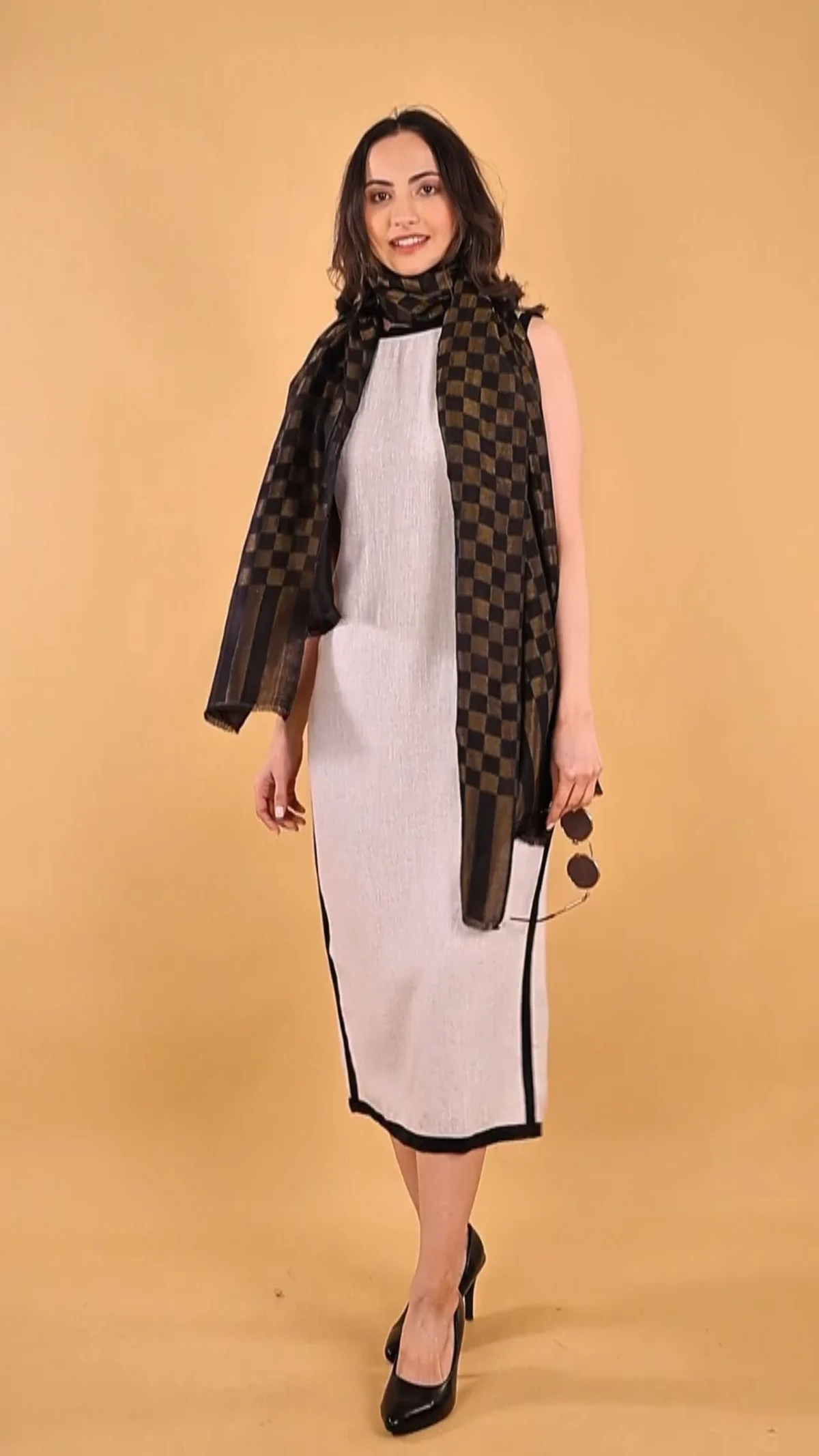
A model casting checklist should prove that the person you book can do the job in the clothes, format and campaign you are planning. If you need help sourcing and coordinating that talent, Adverra Studio’s models for brand shoots service is the parent resource for this workflow. Start with evidence, then approve the booking.
A strong portfolio shows a finished result; it rarely shows the sample that did not fit, the movement that needed repeated direction or the permission that was never agreed. This checklist is for fashion and lifestyle D2C teams, brand managers and marketing agencies approving talent. It keeps the decision on fit for the actual assignment, rather than appearance alone.
Key takeaways
- Write the job and intended media before asking for a shortlist.
- Verify current measurements against your actual sample garments.
- Give finalists the same movement task and revision note.
- Treat permission, availability and safe working conditions as approval gates.
- Keep one evidence sheet and one accountable final approver.
Write the model casting checklist around the job
Define what the model must demonstrate before defining the look. A useful model casting checklist starts with deliverables, sample garments, intended placements and the person authorised to approve the booking.
Model casting means selecting talent for a specific on-camera assignment. It is different from buying an influencer’s distribution or asking a creator to explain a product from personal experience. Use the UGC versus influencer comparison when the brief mixes those jobs; UGC means user-generated content, although brand-commissioned work still needs a clearly agreed scope.
Write a short job statement: “Demonstrate the fit and movement of our relaxed shirts for product listings and a separate paid campaign.” Then list what changes between those outputs. A catalogue still needs repeatable garment presentation; a social cut may need walking, turning and believable interaction with the clothing. Neither requirement is established by follower count.
Start with a usable casting brief
- Product: garment categories, sample sizes, fit intention and any footwear supplied.
- Outputs: stills, motion, spoken lines, product handling and required crops.
- Working conditions: city, proposed date, indoor or outdoor set, changing arrangements and access needs.
- Usage: owned channels, marketplace listings, paid media, territory and proposed duration.
- Decision: reviewer, approval deadline, essential evidence and unresolved questions.
Do not ask for a universal “premium look”. Describe what must be visible: sleeve drape, a natural shoulder line, confident movement or careful handling of delicate accessories. Include references to the task and framing, not a demand to copy another person’s body. A useful model casting checklist makes disagreement visible before the shortlist arrives.
For marketplace work, record the category requirements separately from casting preferences. Amazon and Flipkart listing needs may differ from a brand’s editorial site. Myntra and Ajio may call for another delivery plan. Confirm the current seller instructions for your category rather than treating a sample moodboard as a platform specification.
What evidence belongs in a model casting checklist?
Ask for current digitals, relevant work, confirmed measurements and a task-specific audition. The evidence pack should let reviewers distinguish what they have actually checked from what they are assuming.
Build the model casting checklist evidence pack
Digitals are simple, minimally styled reference photographs used to assess a current appearance. Request front, side and back views in comfortable fitted clothing, with consent and clear instructions. Ask when they were taken. Heavy retouching, a dramatic lens angle or an old portfolio image cannot establish how a sample will fit today.
Collect only information needed for the assignment. Keep identity and age verification with the authorised booking coordinator rather than circulating identity documents in a marketing group. Explain who will see audition material and how it will be retained. A professional process respects the person while collecting the evidence the brand needs.
| Check | Useful evidence | Hold approval when |
|---|---|---|
| Current appearance | Dated, unfiltered digitals | Only heavily edited portfolio images are available |
| Sample fit | Measurements plus a garment test | A key sample cannot be tried or reasonably assessed |
| Movement | Same audition task and revision for finalists | The required action has not been demonstrated |
| Availability | Written date and travel confirmation | “Available” still means a tentative hold |
| Permission | Agreed commercial scope | Planned paid use remains outside the agreement |
For model measurements verification, ask for the date, unit and measuring method alongside each relevant measurement. Use centimetres or inches consistently; do not quietly convert a number without labelling it. Record height, chest or bust, waist, hip and footwear only where the garments or actions require them. Label an estimate as an estimate.
Separate a missing field from a negative assessment. “Waist measurement awaiting confirmation” means the evidence is incomplete; it does not mean the model failed. At Adverra Studio, the useful buying question is whether the brief and evidence support a booking decision. The model casting checklist should preserve that distinction for every reviewer.
Run a garment fitting test before approving the shortlist
Compare the model with the actual shoot sample, not only the size label. A garment fitting test should show whether the clothing sits and moves as intended without uncomfortable adjustments or concealed fit problems.
Record model casting checklist sample-fit notes
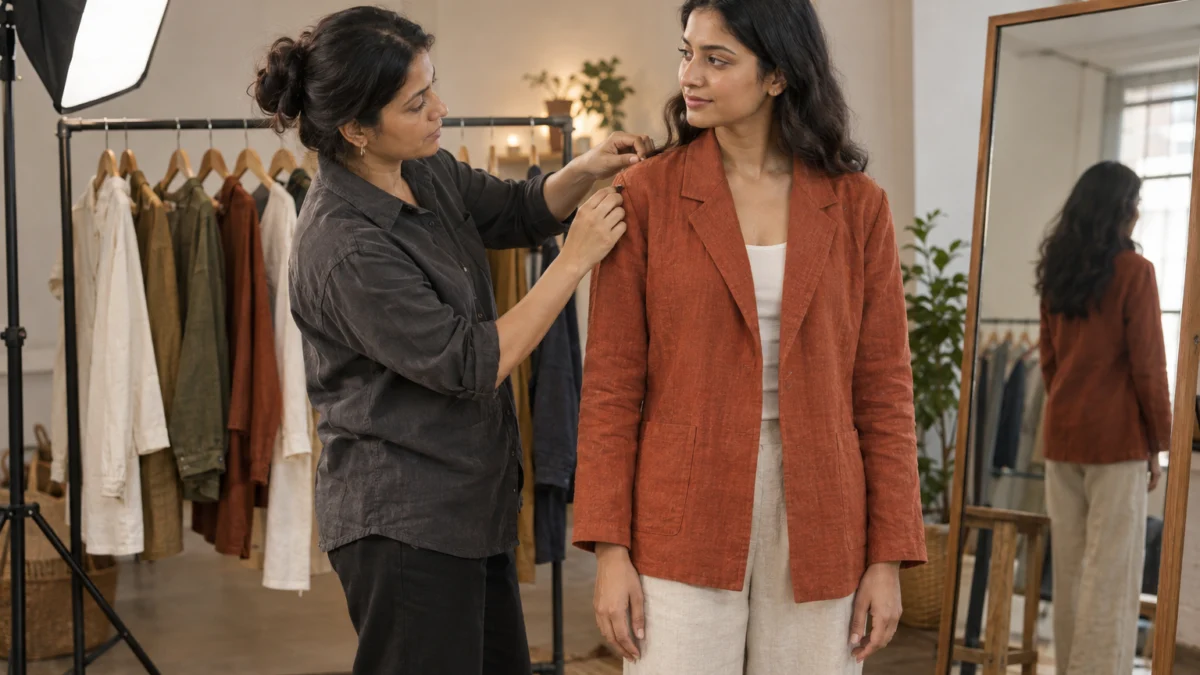
Choose a representative sample with the most demanding fit. For a relaxed shirt launch, that might mean a shoulder seam, sleeve opening and hem that must read clearly during movement. For a fitted dress, consider the fastening and the comfort of sitting or turning. The question is whether this sample works for this planned image.
Ask the stylist to record what was tested, what adjustment was needed and whether that adjustment is acceptable for the final deliverable. A concealed clip can change how clothing appears; it should not be used to imply a fit the product does not offer. Stop and resolve a mismatch before committing the entire garment rail.

Run a simple sequence: stand naturally, turn, sit if relevant, raise the arms within the planned action and return to the starting position. Look for pulling, restricted motion or a neckline that shifts out of the intended frame. Give the model room to say that a movement or garment is uncomfortable. Comfort is operational evidence.
When a remote casting cannot include the sample, say so on the sheet. Agree what substitute evidence will be accepted and whether the booking depends on a later fitting. If you also need the sample-to-shot workflow coordinated, fashion shoots for D2C brands can connect casting requirements to the production plan. Do not mark an untested fit as approved.
Use the same movement audition for every finalist
A movement audition should reproduce the job in a small, repeatable test. Ask every finalist to perform the same sequence, then give one clear revision so you can assess responsiveness rather than a polished first take alone.
For ecommerce model casting, a practical sequence is a neutral stance, a walk into frame, a turn, a garment detail and a reset. State the framing and whether the face, hands or full garment must remain visible. Keep the requested audition proportionate; a casting test should not become a free finished campaign.
- Explain the action: walk to the mark, pause, turn and show the sleeve.
- Record a neutral version: no music edit or fast montage hiding transitions.
- Give a specific note: slow the turn and keep the sleeve away from the torso.
- Repeat: observe the revision and whether the garment remains readable.
- Log evidence: save the take reference and a short factual note.
The model movement audition can also test gentle accessory handling, a seated posture or a spoken line, if those belong to the paid assignment. Do not add choreography or language requirements after the audition has started. If the role needs Hindi, Hinglish or another language, provide the actual pronunciation and tone brief beforehand.
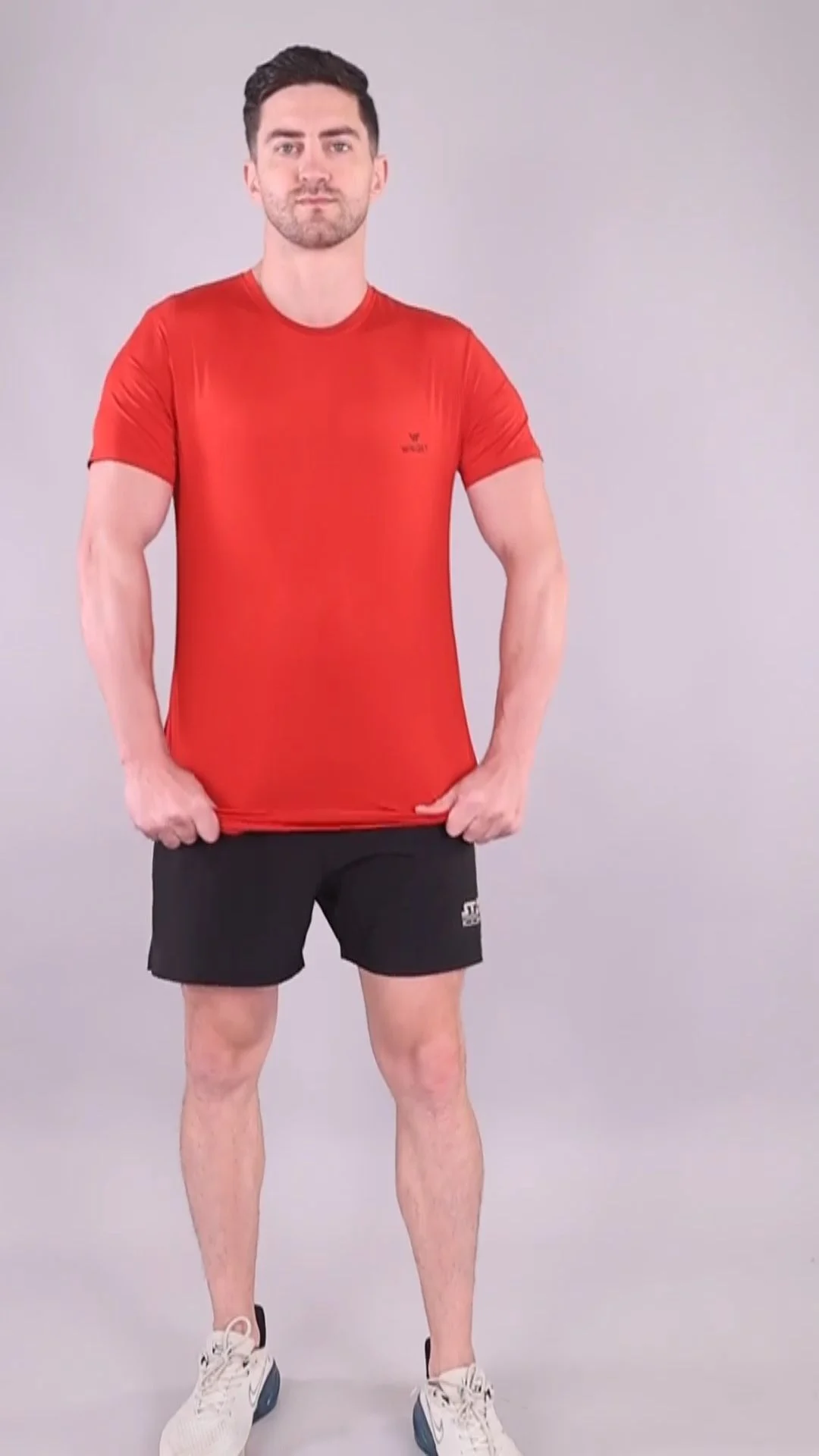
Use the library example above to think about the relationship between motion and clothing presentation. It is an illustration of an output format, not proof of a casting score or campaign result. A model casting checklist should record whether the required garment detail survives the action, not whether a reviewer personally likes the edit.
Test the intended composition. A 9:16 Instagram Reels or YouTube Shorts cut can leave less horizontal room for a wide arm movement; a product detail may disappear when cropped. Meta Ads can require additional placement variants. Confirm current placement guidance during production, and keep faces, product details and captions clear of interface elements rather than assuming one universal safe zone.
Compare candidates using a model casting checklist scorecard
Compare demonstrated evidence against the same brief, then separate essential gates from preferences. A high overall impression must not override missing permission, unsafe conditions or an unverified sample fit.
Keep model casting checklist approval gates separate
Use the labels “demonstrated”, “needs clarification” and “not demonstrated” before reaching for a numerical score. If your team uses weighted ratings, decide the weights before seeing the shortlist and label them as your own planning method. There is no universal industry score that can certify a model for every D2C assignment.
| Criterion | Task or record | Decision note |
|---|---|---|
| Garment presentation | Fit test and readable detail | Can the planned sample be shown honestly? |
| Movement | Neutral and revised takes | Does the revision solve the stated issue? |
| Communication | Brief acknowledgement and questions | Are uncertainty and limits raised clearly? |
| Availability | Booking confirmation | Are travel and call requirements agreed? |
| Commercial scope | Usage and payment agreement | Does it cover the actual planned campaign? |
Have reviewers record their observations before the approval call. “The back view is missing” is useful; “not our vibe” needs clarification against the brief. If two reviewers disagree, return to the relevant take or sample test. Do not average a specific fit objection into a vague overall preference.
One designated owner should record the decision, the conditions attached and the date it becomes final. For an agency handling several client stakeholders, name the person who can approve changes to the brief. The model casting checklist becomes much less useful when every message creates another unofficial approver.

Confirm the permission scope before booking
Agree where the material may appear, for how long and in which territories before confirming talent. A commercial model release and the wider booking terms should match the intended use; neither a portfolio submission nor a day rate automatically settles every permission question.
Adobe’s model-release overview, updated in June 2026, explains consent for recognisable people in content licensed through Adobe Stock. That is useful context for why permission matters, but it is not an Indian advertising contract rulebook. Ask qualified counsel to review agreements where necessary; this is a production checklist, not legal advice.
- Media: product listings, owned social, website, email, paid advertising, print or outdoor.
- Duration: agreed start trigger, expiry and what happens to material after expiry.
- Territory: the markets and audiences covered by the agreement.
- Editing: crops, cut-downs, language versions and any restricted alterations.
- Commercial terms: compensation, exclusivity, renewal process and change approvals.
- Likeness: whether synthetic alterations or AI-generated derivatives are excluded or separately authorised.
Keep paid media usage rights explicit. A garment image approved for an Amazon listing is not a useful written answer to a later proposal for a Facebook campaign. LinkedIn distribution may also be part of a lifestyle or employer-brand assignment; record it if planned. Permission should describe the campaign rather than rely on the word “digital”.
If the model also posts sponsored creator content, add a separate publishing and disclosure hand-off. ASCI’s influencer advertising guidance addresses disclosure responsibilities. YouTube’s branded-content disclosure help explains the paid promotion setting and notes that applicable local requirements still matter.
Whitelisting, often discussed as partnership ads, means obtaining permission to run advertising using a creator’s identity or account through the platform’s supported arrangements. It is not the same as permission to use an image on the brand’s account. Keep account access, platform authorisation, asset licensing and disclosure as separate items in the model casting checklist.
Turn casting shortlist approval into a shoot-ready hand-off
After approval, turn the evidence into a written booking and a practical call sheet. Reconfirm the scope, contact chain and unresolved conditions so the shoot team does not have to reconstruct the decision from chat messages.
For casting shortlist approval, circulate one final version containing the selected talent, approved evidence references, agreed date, key wardrobe requirements and permission summary. Link to the controlled agreement rather than copying private documents into every production folder. Record who can authorise a replacement or a change of use.
A brand shoot call sheet should cover call and expected wrap, venue details shared privately, coordinator contacts, wardrobe notes, travel arrangements, breaks and access requirements. Include a clear route for raising discomfort or a safety concern. Do not publicly distribute a model’s personal address or private identity information.
Keep a backup plan appropriate to the production risk. That might be a pre-reviewed alternative, a revised garment order or a decision to move a non-essential setup. A backup is not genuinely available until their hold and commercial terms are confirmed. Avoid presenting a tentative shortlist as a guaranteed substitute.
Before shoot day, the coordinator should confirm that the model has the same final brief as the stylist, director and client reviewer. If a new spoken endorsement or a revealing wardrobe change appears at this point, treat it as a scope change requiring discussion. A model casting checklist cannot compensate for instructions that change without consent.
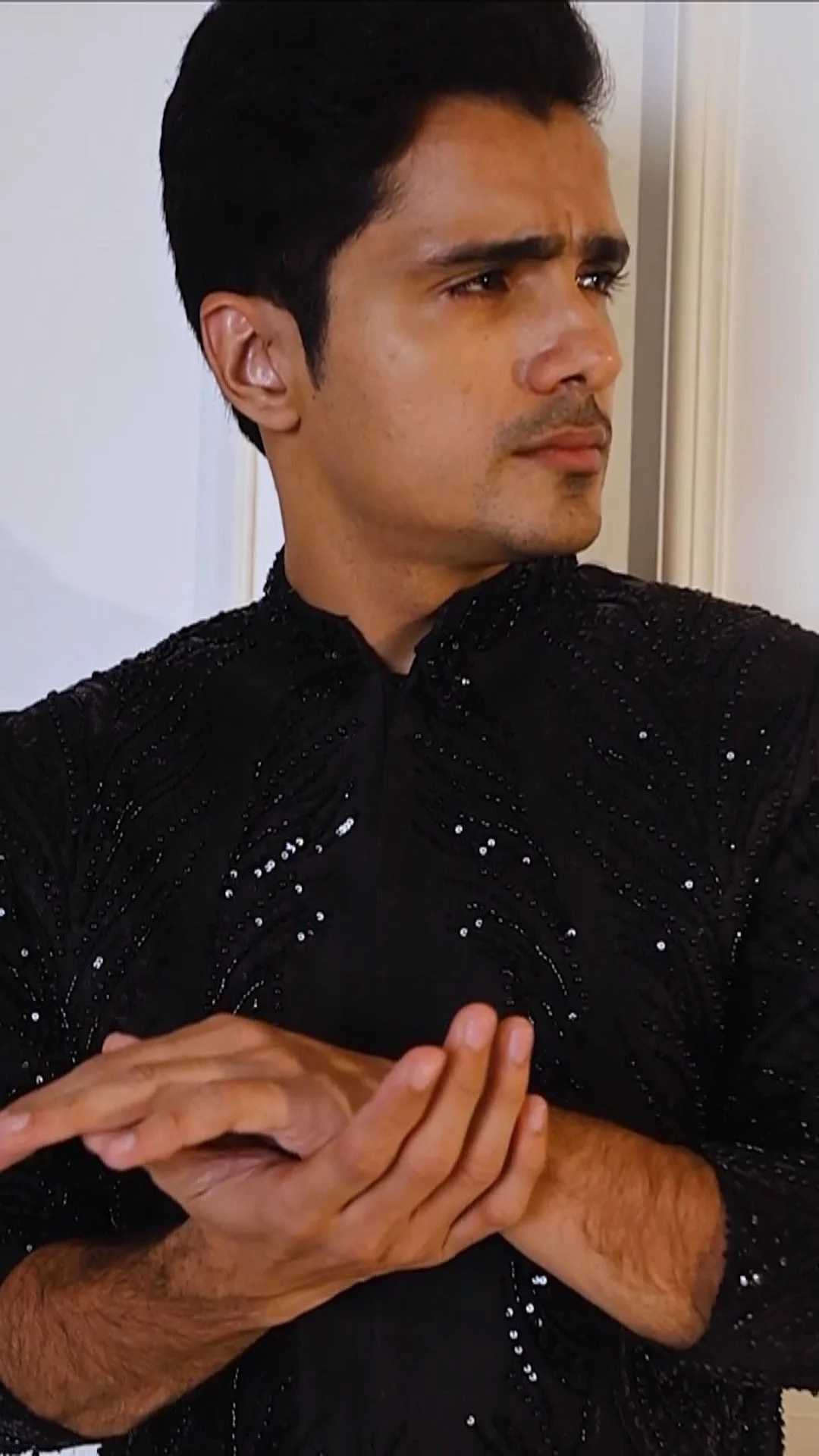
The second library example provides a clothing-presentation reference for the hand-off conversation. Review how the garment is shown and what actions the final format requires; do not infer personal information or unpublished casting terms from the footage. For a wider asset plan, the ecommerce marketplace content overview explains the adjacent content context.
Catch common casting mistakes before they reach set
Most avoidable casting problems come from approving assumptions instead of evidence. Check whether the decision depends on an old image, an untested garment or a permission that nobody has actually confirmed.
Replace vague preferences with useful observations
Rejecting someone because they do not resemble a moodboard face often hides a poorly defined job. Ask which action, fit or expression the reference is meant to establish. A model casting checklist should support relevant, respectful selection, not turn subjective body preferences into invented technical requirements.
- Portfolio-only approval: request current evidence and a brief-specific test.
- Size-label assumptions: compare actual sample measurements and fit notes.
- Different auditions: repeat the same action and revision for finalists.
- Follower-count shortcuts: separate performance on camera from audience distribution.
- Permission postponed: resolve intended media and duration before booking.
- Unlimited feedback: name the final reviewer and log scope changes.
Do not reward someone for tolerating an uncomfortable garment or a confusing instruction. Those are signals to improve the production conditions. Equally, do not promise a commercial result because a casting went smoothly. Approval reduces uncertainty about execution; it does not prove that a particular face will lower acquisition costs.
At Adverra Studio, the relevant next conversation is the brief, the evidence still missing and the intended use. If your team cannot explain why one finalist is better suited to the assignment, revisit those inputs. More options rarely solve an unclear model casting checklist.
Build a compact casting folder and review new risks
A shared sheet, a controlled evidence folder and a written approval record are enough for a small campaign. Keep the model casting checklist current by reviewing permissions, asset versions and any new use before the material is repurposed.
Use candidate codes, dated files and a consistent take-naming pattern. Keep the brief, evidence, decisions and agreements in separate folders with appropriate access. A reference such as “candidate B, revised turn” is more useful than a message saying “the second video looked good”. Choose tools the whole production team can open reliably.
For 2026–2027 planning, pay particular attention to synthetic likeness requests, automated retouching and content reuse. Do not assume that agreeing to a camera shoot authorises face replacement or a generated performance. Describe any proposed alteration, seek appropriate written permission and professional advice, and retain an approval record. This is prudent planning, not a claim of a new universal 2027 rule.
Keep category-specific requirements in the delivery brief. Nykaa and Meesho assets may need a different review from an owned-site lookbook. The model casting checklist establishes talent suitability; current seller guidance and the approved shot list establish what the final files must contain. Keep those responsibilities connected without pretending they are identical.
Run the final approval checks before paying a deposit
Proceed when the essential evidence and commercial scope are confirmed in writing. If something important is missing, name the owner and resolution rather than marking the whole shortlist approved.
- Write the job, outputs and sample requirements.
- Collect current digitals and relevant measurements.
- Test the representative garment or document the remote-fit condition.
- Run a comparable movement audition and revision.
- Record evidence against the agreed criteria.
- Confirm availability and safe working arrangements.
- Agree media, territory, duration and alteration permissions.
- Obtain final shortlist approval from the named owner.
- Issue the booking and call sheet, with a backup decision.
Try this hypothetical approval note
“Relaxed-shirt launch: candidate B demonstrated the front, back and revised turn. The supplied medium sample was tested; the oversized jacket remains untested. Listing and owned-social use are agreed; paid use is pending. Brand approver: campaign lead. Proceed only after jacket fit and paid-use scope are resolved.” This example is fictional, not an Adverra Studio client record.
The note separates observations, missing evidence and the decision. It also avoids pretending that a good audition automatically approves every garment or distribution channel. Copy that structure into your model casting checklist and replace each entry with the facts of your own production. Keep the model and coordinator informed when a condition changes.
Prince’s recommendation is simple: finish the decision while it is still inexpensive to change the plan. A model casting checklist is useful because it makes uncertainty visible before a studio day depends on it. The goal is a fair, shoot-ready booking that the brand, talent and production team understand in the same way.
Answer the final model booking questions
Use these answers to resolve the last booking uncertainties. Keep the written brief, evidence and permissions together so the next production decision has a clear owner.
Request current digitals, relevant measurements, a brief-specific audition, availability and the proposed commercial scope. Compare that evidence with the actual samples and planned outputs. Record anything still unverified, name the final approver and resolve essential conditions before confirming the booking or treating the shortlist as final.
Ask when and how the relevant measurements were taken, label the units and compare them with the actual shoot samples. A size label alone is insufficient. Where possible, run a comfortable fitting and movement test; if casting remotely, document the missing evidence and any later fitting condition.
Give every finalist the same short sequence based on the real assignment, such as a stance, walk, turn and garment detail. Then provide one clear revision and record the repeat. Compare garment readability, control and responsiveness rather than judging only a polished montage or an unrelated portfolio performance.
Follower count is not evidence that a model can present a garment or follow a movement brief. It becomes relevant when the assignment separately includes distribution to that person’s audience. Keep on-camera suitability, audience selection, posting obligations and paid-use permissions as distinct decisions with their own supporting evidence.
Do not assume they can. Confirm the intended media, territory, duration and permitted edits in the written agreement before using photographs in paid advertising. A listing-only brief does not clearly establish paid-use permission. Resolve extensions with the authorised parties and obtain qualified legal advice when the agreement is unclear.
Include the approved talent, evidence references, confirmed date, wardrobe and sample notes, agreed usage scope and the final decision owner. Add the call sheet, coordinator contacts and a realistic backup plan. Keep private documents access-controlled, and make sure changes to the brief are communicated to both talent and production.
From shortlist to shoot-ready booking.
A practical sequence for the evidence and approval decisions in this checklist.
Define the assignment
Write the outputs, samples, channels and approval owner.
Collect current evidence
Review digitals, relevant measurements and a comparable audition.
Test the sample and movement
Record fit, required actions and the response to a clear revision.
Confirm scope and approval
Resolve permission, availability and the conditions attached to the decision.
Hand over the booking
Issue the agreed brief and call sheet, with a realistic backup decision.