UGC Creator Brief Template for D2C Brands: 12 Sections to Lock Before the Shoot
A copy-ready UGC creator brief template that tells creators exactly what to film, how to say it and what you own afterwards, so the first cut is usable and the second shoot never happens.
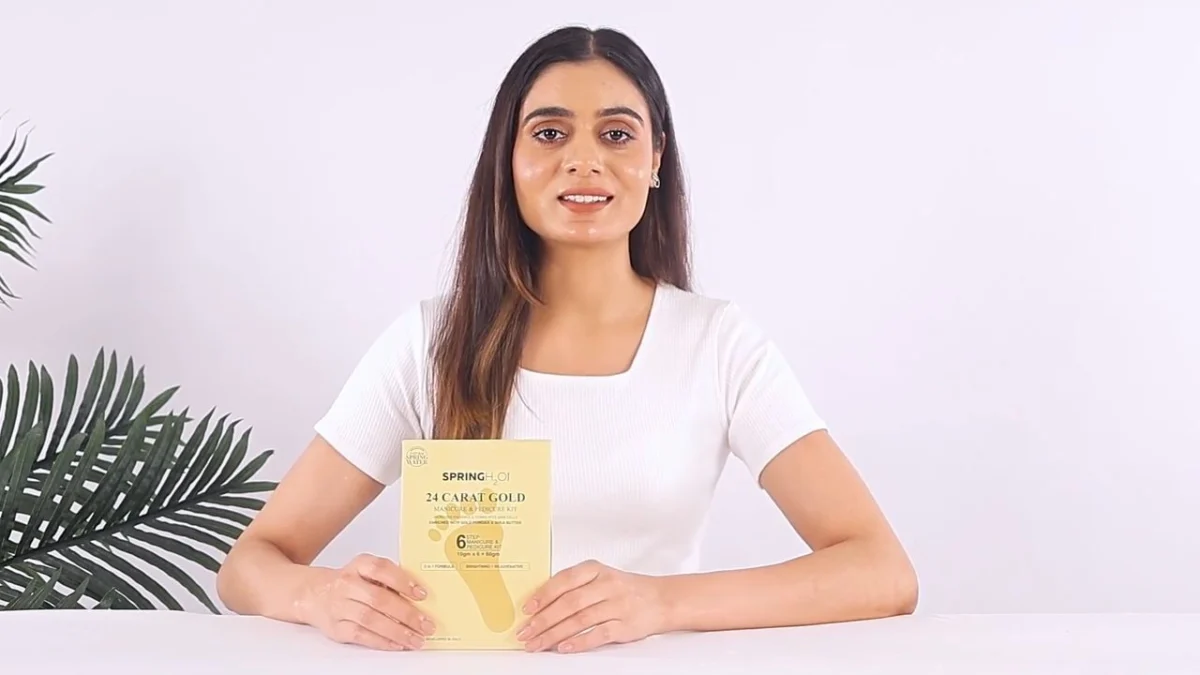
A UGC creator brief template is the one document that decides whether your creator video ships in a week or gets reshot in a month. At Adverra Studio, almost every weak cut we have been asked to rescue traces back to a brief that said “make it authentic” and nothing else. If you would rather hand the whole chain to a team, our UGC video production work starts with exactly this brief, then covers casting, filming and editing.
This guide gives you the 12 sections we put in every brief, a filled example for a skincare serum, a 9:16 shot list, a deliverables table, and the rights and disclosure lines that protect you later. It is written for D2C founders, brand managers and performance marketers who brief creators themselves and want fewer revisions. The template is free to copy; the judgement about what to put in each box is where most brands slip.
Key takeaways
- A good UGC creator brief template fits on two pages and answers 12 questions before the creator asks them.
- Lock the hook lines, claims you can prove, aspect ratios and file names in writing — not on a call.
- Usage rights (duration, paid vs organic, edits) and ASCI disclosure belong in the brief, not in a later email.
- Brief for testing: ask for 3–5 hook variants of the same body, not five unrelated videos.
- Send the brief 48 hours before the shoot and get a written “understood” on every mandatory line.
What is a UGC creator brief, and why does a template matter?
A UGC creator brief is a short written document that tells a creator who the video is for, what single message it must land, what to show, what to avoid and what to deliver. A template matters because it forces the same 12 decisions every time, so quality stops depending on who wrote the brief that week.
UGC (user-generated content) here means creator-made videos that look like a real customer talking about a product, usually filmed on a phone in a home-style setting. Unlike a TV ad script, a creator content brief leaves room for the creator’s own words. That freedom is the point, but freedom without guard-rails is how you end up with a lovely 90-second monologue that never shows the product in the first three seconds.
In our experience across 500+ brands and 10K+ UGC videos since 2015, the brief is the cheapest lever in the whole pipeline. A rewrite costs ten minutes. A reshoot costs a new creator slot, new product dispatch and a week of lost ad spend while your old creatives fatigue. Fix it on paper, not on set.
Who should own the UGC creator brief template inside a D2C team?
One person should own it end to end, usually the performance marketer or brand manager who will run the ads. If the founder writes the “why we exist” lines and the ads manager writes the hooks, merge them before sending — creators should never receive two documents with two tones. The owner also collects the creator’s “understood” on mandatory lines, which becomes your reference if a cut comes back off-brief.
What should a UGC creator brief template include? The 12 sections
Every brief we send has 12 sections grouped into three parts: context (who, why, what product), creative direction (message, hooks, shots, tone, do’s and don’ts) and delivery (formats, timelines, rights and approvals). Skip any one and the creator fills the gap with a guess.
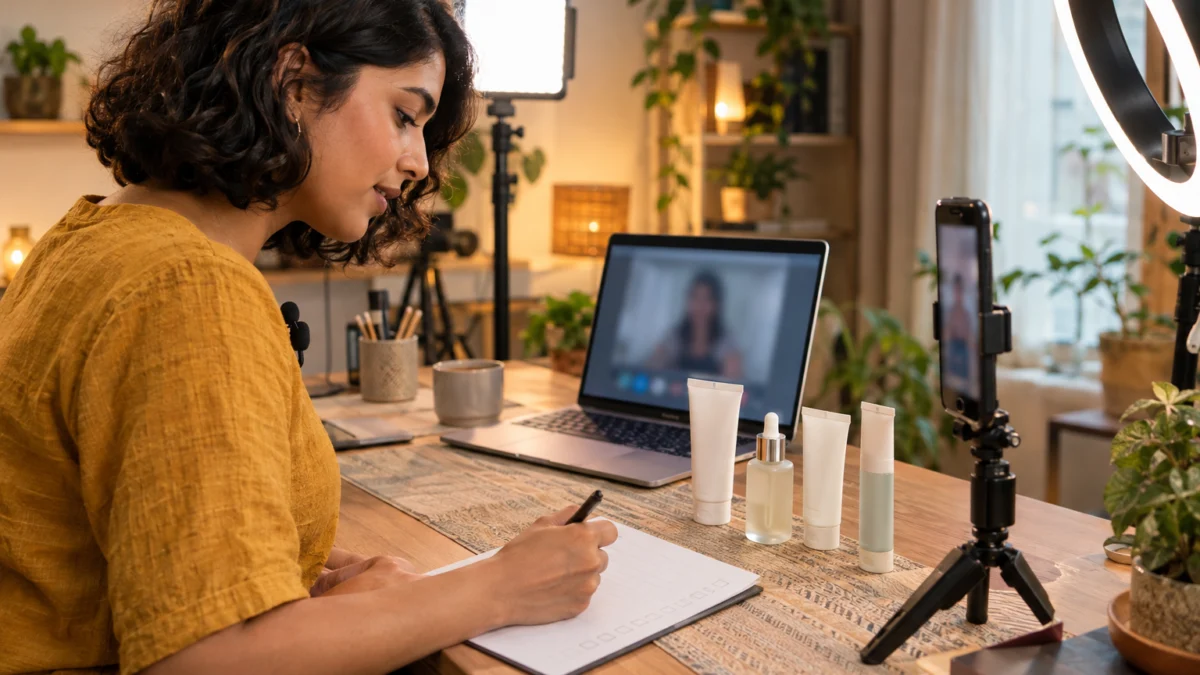
Part A — Context the creator needs
- Brand and product snapshot: three lines on what the product is, the price band and the one reason people re-buy it.
- Audience: who is watching, in plain words — “working women 25–34 in metros with oily skin who have tried two serums already”.
- Objective and placement: is this a cold prospecting ad on Meta, a retargeting cut, an Amazon or Nykaa listing video, or organic Reels? The answer changes the length and the first line.
- Single key message: one sentence the viewer must remember. If you have three messages, you have three briefs.
Part B — Creative direction in the UGC creator brief template
- Hooks: 3–5 opening lines to film word for word, plus permission for the creator to try one of their own.
- Talking points and proof: the 3–4 benefits to cover, each tied to something the creator can show on camera (texture, before-wash, fit, unboxing).
- Shot list: mandatory shots with rough timings — the product in the first two seconds, a close-up of use, a reaction, the pack at the end.
- Tone, setting and wardrobe: home bathroom vs vanity table, Hinglish vs English, no competitor products visible, no busy prints if you sell prints.
- Do’s and don’ts: claims they may say, words they must not say (“cures”, “permanent”, “guaranteed”), and anything about pricing or offers.
Part C — Delivery, rights and approvals
- Deliverables and specs: number of videos, lengths, aspect ratios, raw footage, captions on or off, file naming.
- Usage rights and disclosure: where you will use the video, for how long, whether you can edit it and run it as a paid ad, and how the creator will disclose any organic post.
- Timeline and approvals: product dispatch date, shoot window, first-cut date, number of revision rounds and who signs off.
| Section | Question it answers | What breaks without it |
|---|---|---|
| 1–3 Context | Who is this for and where will it run? | Wrong length and wrong first line for the placement |
| 4 Key message | What must the viewer remember? | Video tries to say everything and lands nothing |
| 5 Hooks | What happens in the first 3 seconds? | Slow intros, weak thumb-stop |
| 6–7 Proof + shots | What do we see, and when? | Talking head with no product on screen |
| 8–9 Tone + rules | How should it feel, what is off-limits? | Unprovable claims, off-brand setting |
| 10–12 Delivery | What, when, and who owns it? | Missing ratios, rights disputes, delays |
How do you fill the template? A worked example for a skincare serum
Fill the template from the ad’s job backwards: decide the placement and message first, then write hooks, then list the shots that prove each claim. Below is an illustrative brief for a niacinamide serum, written fresh for this guide and not taken from any client.
Product snapshot: Lightweight niacinamide serum, 30 ml, mid-price. Re-buy reason: “doesn’t feel sticky under sunscreen”. Audience: women 22–32, oily or combination skin, first serum was too heavy. Placement: Meta cold prospecting, Reels and Stories, 9:16, 20–30 seconds.
Key message: “A serum you will actually use every morning because it disappears under sunscreen.” Everything else is supporting detail.
Hooks to film (word for word): (1) “I stopped using serums because of this sticky feeling — until this one.” (2) “Two drops, thirty seconds, sunscreen on top. Watch.” (3) “If your serum pills under sunscreen, you need to see this.” Plus one hook in the creator’s own words.
Do not say: “clears acne”, “removes pigmentation permanently”, “dermatologist recommended” unless the brand supplies written proof. Must show: dropper texture in macro, application on bare skin, sunscreen layered on top, the finish in daylight by a window.
Notice what is missing: no paragraph about the brand’s founding story, no list of eight ingredients. A creator who reads a product video brief on a phone between two other shoots will remember four lines, so make sure those four lines are the ones that sell. Hooks deserve the most care because they decide whether the rest is ever watched — if you run them as paid media, our team builds UGC ad creatives with several hook variants per body for exactly this reason.
How long should the voiceover or spoken script be?
For a 25-second Reel, plan roughly 55–65 spoken words; for 15 seconds, about 35. Write the target word count into the brief so the creator does not rush. If the ad needs a polished narrator layered over creator footage, brief that separately — Hindi and English voiceover ads need their own script, pronunciation notes and timing sheet, and mixing the two instructions in one brief confuses both people.
How do you write the shot list and on-screen rules for 9:16?
Write the shot list as numbered beats with seconds, and add the 9:16 safe-zone rules in the same table. The creator should know that the product must appear in the first two seconds and that nothing important can sit in the bottom fifth of the frame, where captions and buttons cover it.
Vertical placements on Instagram Reels, Facebook Reels and YouTube Shorts all overlay interface elements on your video. Meta’s own Ads Guide lists recommended ratios and safe areas per placement; check it before each campaign because the overlays shift. Our working rule inside every UGC shoot brief: keep faces, product and text in the central area, leave roughly the top 14% and bottom 20–35% clear, and never put the price or offer in the corners.
A sample 25-second shot list from a UGC creator brief template
- 0–2s Hook: product in hand at chest height, hook line delivered straight to camera.
- 2–6s Problem: quick cut to the pain — sticky residue, pilling, a too-heavy cream.
- 6–14s Demo: macro of texture, application on bare skin, natural light.
- 14–20s Proof: sunscreen layered on top, finish shown by a window, honest reaction.
- 20–25s Close: pack to camera, one-line reason to buy; no price unless the brand confirms it.
Ask for B-roll on top of the shot list: 8–10 clips of three to five seconds each — hands opening the pack, texture swirls, product on a shelf, a walk-in. B-roll is what lets an editor build new versions later without calling the creator back. We treat it as a mandatory line in every brief, not a nice-to-have.
Which deliverables, formats and file specs should the brief lock?
Lock the count, length, ratio, caption status and file names of every asset before the shoot. A UGC deliverables checklist in the brief removes the most common post-shoot argument: “we thought you meant one video, not three cuts”.
| Deliverable | Spec to write in the brief | Why it matters |
|---|---|---|
| Master videos | Count, length (15s / 25–30s), 9:16 1080×1920 | Matches Reels, Stories and Shorts |
| Hook variants | 3–5 openers cut onto the same body | Lets you test hooks, not whole concepts |
| Extra ratios | 1:1 and 4:5 crops for feed placements | Avoids black bars in feed |
| Captions | Burned-in or clean, language, font size | Most viewers watch muted |
| Raw footage + B-roll | Unedited clips, 8–10 B-roll shots | Future edits without reshoots |
| File naming | brand_product_hook01_9x16_v1 | Clean ad-level reporting later |
Marketplaces have their own needs. A listing video for Amazon, Flipkart or Myntra usually works better horizontal or square, without trendy audio, and with the product filling most of the frame. If one shoot feeds both ads and listings, say so in section 3 of the template so the creator frames wide enough to crop both ways.
How should the brief handle usage rights, ASCI disclosure and claims?
Write usage rights, disclosure and claim rules into the brief itself so they are agreed before anyone films. State where the content will run, for how long, whether you may edit it and run it as paid ads, and how any organic post will be labelled under ASCI’s influencer guidelines.
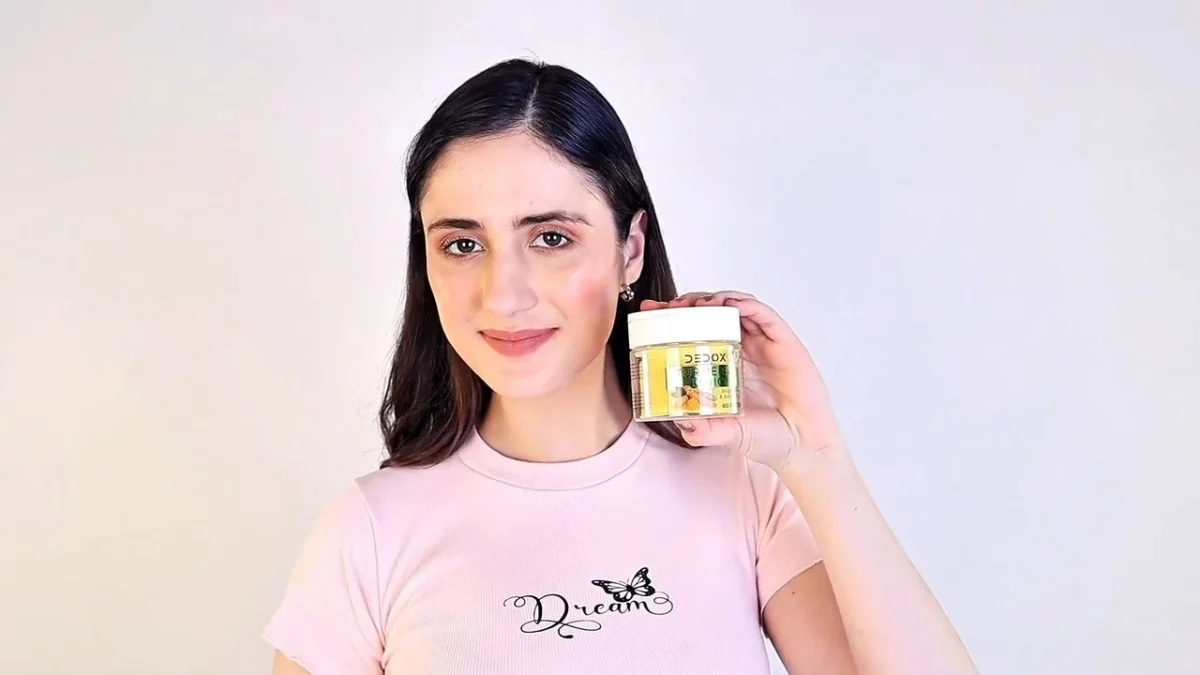
Usage rights lines to include
- Channels: organic brand handles, paid social, marketplace listings, website, offline screens.
- Duration: 3, 6 or 12 months, or perpetual — and what happens at renewal.
- Edits: whether you can re-cut, add captions, change music or combine with other footage.
- Paid amplification: whether you can run the content from the creator’s handle (often called whitelisting or partnership ads) and for how long.
On disclosure, the Advertising Standards Council of India requires that any material connection between a brand and a creator is clearly disclosed when the creator posts on their own handle; read the current guidance directly on the ASCI website. Your brief should name the label the creator will use and where it sits — up front, not buried in hashtags. This is practical guidance from production experience, not legal advice; have your counsel review contract wording.
Claims are the third trap. If the brief lets a creator say “reduces dark spots in 7 days”, your brand needs the evidence to back it. List approved claims word for word, list banned words, and keep the creator’s “understood” in writing. It takes five minutes and saves a takedown.
Brief vs script vs storyboard: which one does your shoot need?
Most UGC shoots need a brief with locked hooks and a shot list, not a full script. Use a full script only for regulated claims or voiceover-led videos, and a storyboard only when several people and locations are involved.
| Factor | Brief + hooks | Full script | Storyboard |
|---|---|---|---|
| Feels natural on camera | Yes | Often stiff | Depends |
| Controls claims tightly | Partly | Yes | Partly |
| Prep time | 1–2 hours | Half a day | A day or more |
| Best for | Reviews, demos, unboxing | Health claims, voiceover ads | Multi-scene brand films |
A useful middle ground: lock the first 5 seconds and the last 3 seconds word for word, and leave the middle as talking points. Viewers get the creator’s real voice; you get a controlled open and close, and your UGC creator brief template stays short enough to read on a phone.
What are the most common creator brief mistakes?
The most common mistakes are briefing too many messages, leaving out the placement, skipping B-roll and settling usage rights after the shoot. Each one costs a revision round, and together they are why “UGC didn’t work for us” is usually a briefing problem.
- Five messages, one video: pick one; save the rest for the next brief.
- “Be authentic” as the only direction: authenticity comes from real use on camera, not from vague instructions.
- No placement: a 60-second YouTube review and a 15-second Story are different videos.
- Product arrives on shoot day: dispatch 3–4 days early so the creator actually uses it.
- Rights in a later email: creators price usage; surprises sour the relationship.
- Unlimited revisions: agree two rounds and a clear feedback format instead.
One more, and it is the quiet killer: feedback that rewrites the brief after the shoot. If the first cut follows the brief and you now want a different angle, that is a new brief, not a revision. Be fair about it and creators will prioritise your shoots.
How do advanced teams brief for creative testing, not just one video?
Advanced teams brief for a test, not a single ad: one body, several hooks, two or three angles, and a naming system that maps straight into the ads manager. The brief becomes the first page of the test plan.
A practical structure we use: pick two angles (for example “texture under sunscreen” and “budget swap for a pricier serum”), give each angle three hooks, and ask for a shared middle section. That gives six testable ads from one shoot. Name files so each hook and angle can be read in reporting. When a hook wins, the next brief keeps it and tests new angles.
This is how brief discipline turns into results. In our Snackible work, fresh UGC ads built and tested this way brought CPA down 42% within 30 days at 3.5x ROAS — the full story is in the Snackible UGC ads case study. The brief did not do that alone, but without a test-ready brief there would have been nothing clean to test.
Should the creator see your performance data?
Share the lesson, not the dashboard. “Openers that show the texture in the first second beat talking-head openers for this product” is useful to a creator. Raw CTR and CPA numbers are not, and they can make creators chase a metric instead of telling a believable story.
Pre-shoot checklist: what to confirm 48 hours before filming
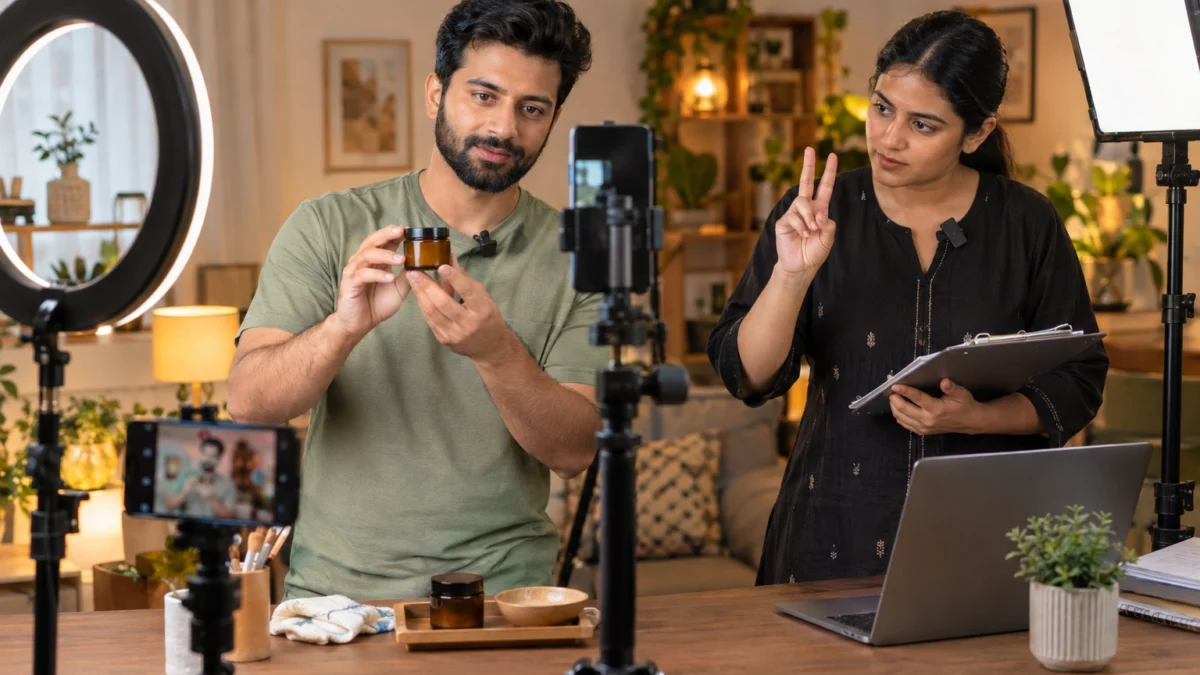
Forty-eight hours before the shoot, confirm that the product has arrived, the creator has read and acknowledged every mandatory line, and the shot list, hooks and file specs are final. Anything still open at that point becomes a guess on set.
- Product delivered and used at least twice by the creator.
- Hooks, banned words and approved claims acknowledged in writing.
- Shot list with timings and B-roll list shared as a single file.
- Ratios, lengths, captions and file names confirmed.
- Usage rights, duration and disclosure label agreed and signed.
- First-cut date, revision rounds and approver named.
Keep this checklist inside your video brief template as the last page. It turns the brief from a creative note into an operating document anyone on the team can run.
How will creator briefs change in 2026–2027?
Briefs are getting shorter on storytelling and stricter on structure: more hook variants per shoot, more emphasis on rights for paid amplification, and clearer rules on AI-assisted edits. The UGC creator brief template itself stays the same; the weight of each section shifts.
- Creative volume over single hero videos: ad platforms reward variety, so briefs ask for modular bodies and many openers.
- Partnership and creator-handle ads: rights for running ads from the creator’s own handle are becoming a standard line.
- AI in the edit: brands now state whether AI voice, dubbing or background changes are allowed on a creator’s footage — and creators increasingly ask. We compared the trade-offs in our guide on AI UGC versus real creator videos.
- Regional language briefs: Hinglish and regional versions from one shoot, with pronunciation notes in the brief.
What does it cost if you hand the brief to an agency?
If you prefer not to write and manage briefs yourself, Adverra Studio’s published UGC plans include the creative brief work, creator casting and edited hook variants. Plans start at ₹12,000 for a single tested creative.
| Plan | What you get | Delivery | Price |
|---|---|---|---|
| Tester | 1 UGC video · 1 creator · 3 hooks · 9:16, 1:1, 4:5 | 7-day delivery | ₹12,000 |
| Growth | 3 UGC videos · 3 creators · 5 hooks each · all ratios + thumbnails | Priority 5-day delivery | ₹33,000 |
| Monthly | 10 UGC creatives a month · dedicated account manager · monthly review | Rush delivery available | ₹1,00,000 / month |
Plans as listed on adverrastudio.com. Call or WhatsApp +91 90153 33841 for a custom quote.
The Growth plan includes a creative brief consultation, which is where most brands find their template gaps. For a wider view of what drives creator video budgets, see our breakdown of what UGC videos cost in India. Want a second opinion on your current brief? Message us on +91 90153 33841 or book a free strategy call.
UGC creator brief template: frequently asked questions
Short answers to the questions brands ask us most often before their first creator shoot.
Aim for one to two pages. Creators often read briefs on a phone, so put the key message, hooks, mandatory shots and banned claims on the first page. Supporting detail such as file naming, rights and timelines can follow. If your brief runs past three pages, you are probably briefing more than one video.
Do both. Give the creator three to five hook lines to film word for word, then ask for one extra hook in their own words. Your hooks protect the message and claims; the creator’s version often sounds more natural. Testing both side by side shows you which style your audience actually responds to.
Mention the channels where the video will run, the duration of use, whether you can edit or re-cut it, and whether you can run paid ads from the creator’s own handle. Agree these before the shoot, because creators price usage. Get the final terms reviewed by your legal adviser before signing.
When a creator posts brand-related content on their own handle and there is a material connection, such as payment or free product, ASCI guidelines expect a clear, upfront disclosure label. Videos that run only from the brand’s own account are a different case. Name the label and its placement in the brief.
Two rounds is a fair standard. The first fixes anything that does not match the brief, such as a missing shot or a wrong claim. The second handles polish like caption timing or trims. Changes in angle or message after the shoot are a new brief, not a revision, and should be agreed separately.
Three to five hook variants on the same body is a practical range for most D2C brands. It lets you test the opening seconds without paying for completely new concepts. Keep the middle and end identical across variants so that any difference in results can be traced back to the hook alone.
Next step: once your brief is locked, the words in the first three seconds decide everything that follows. Read our guide on writing UGC script hooks that convert, then drop them straight into section 5 of this UGC creator brief template. Questions in between? Email [email protected] or call +91 90153 33841.
From brief to tested UGC ads
The five stages every Adverra Studio creator shoot follows, starting with the brief.
Creative brief
Audience, key message, hooks, shot list, claims and rights agreed in writing before casting.
Creator casting
Matched from 500+ verified UGC creators by audience, language and on-camera style.
Script and hooks
Locked openers and closers with talking points in between, so the creator still sounds real.
Shoot and edit
Filmed to the shot list with B-roll, then edited into 9:16, 1:1 and 4:5 with captions.
Hook variants and testing
Several openers per body, named for clean reporting, ready to test on Meta and Reels.
Want a brief that ships first time?
Free Meta Ads audit worth ₹5,000 — we review your current creative and suggest 3–5 high-converting angles, then show how we would brief them.